
An affiliate category page is like the “shelf” in a store. If the shelf is messy, shoppers leave. If it’s clear and honest, they pick something and buy.
In 2026, that shelf also has to compete with AI Overviews and other SERP shortcuts that answer basic questions without a click. So your category page can’t be “good enough.” It has to be the best next step after the SERP, with clearer choices, stronger proof, and fewer annoyances.
1) Lock the intent, angle, and page type (before you optimize)
Most affiliate category page SEO problems start with one mistake: the page tries to be everything at once. A “best overall” roundup, a beginner guide, and a coupon page all stuffed together usually ranks for none.
Start with a fast SERP check and decide what you’re building:
- If the top results look like list pages with quick picks and tables, your category page should act like a buying shortcut.
- If you see lots of “for X” modifiers (for beginners, for small spaces, for low budgets), commit to one constraint and make the page feel personal and specific.
This is also where you prevent cannibalization. If you already have multiple posts targeting the same category, pick one primary hub and make the others support it with clear internal links and distinct angles. For a practical method, use this affiliate keyword selection guide to choose “best overall” vs “best for X” based on what the SERP rewards.
If your H1 promises “best tools,” but your page reads like a general blog post, Google and users both get confused. Intent mismatch is still the fastest way to lose a money-page ranking.
2) Build a category page layout that earns the click (above the fold vs below)
A strong category page should feel obvious within five seconds. The visitor should instantly know: what this page covers, who it’s for, and how to choose.

Here’s a clean layout pattern you can reuse:
| Section | What it contains | Why it works in 2026 |
|---|---|---|
| Above the fold | H1 + 2-sentence promise, 1-line affiliate disclosure, “Top 3 picks” mini-table, jump links to use cases | Wins the click after AI Overviews by giving immediate choices and transparency |
| Mid page | Short “how we chose” (criteria), best for X modules, comparison table, buyer FAQs | Covers decision points that SERP snippets often skip |
| Below the fold | Alternatives, troubleshooting, “who should skip,” update notes, internal links to deeper reviews | Adds depth and trust without slowing the first screen |
Two internal link module ideas that tend to work well on hubs:
- “Best for…” cluster box: Links to supporting pages like “best for beginners” and “best budget,” each with one sentence of context.
- “Related comparisons” block: Links to “X vs Y” pages and single-product deep reviews (high conversion, high intent).
Common mistake: hiding the real content under a giant grid of affiliate cards. Even if you use a grid, add enough unique text to explain tradeoffs and selection logic.
3) On-page checklist that survives AI summaries and “helpful” scrutiny
Category pages that win in 2026 do two things at the same time: they read fast, and they prove the author has real opinions.
A simple on-page checklist (with quick wins) looks like this:
- Title and H1 match the promise: Keep them aligned, and avoid bait-and-switch language.
- Unique intro copy (not generic): Say who the category is for and what “best” means here (price, speed, ease, support).
- Clear selection criteria: Add 3 to 6 criteria that a buyer actually uses. Then apply them consistently.
- Entity coverage that feels natural: Mention relevant brands, product types, and key features people compare (and explain them in plain English).
- Comparison elements people can scan: A short table, “best for” labels, and one standout reason per pick.
- Freshness signals that aren’t fake: Update when products, pricing models, or features change, then note what changed.
For broader on-page reminders (headings, internal links, media, and CTR factors), use Loganix’s on-page SEO tips for 2026 as a second set of eyes.
Quick win: add a short “Who this is for (and who it isn’t)” block. It improves conversions and reduces pogo-sticking.
4) Technical and crawl control (especially if you use filters or faceted URLs)
Affiliate category pages often fail on technical basics, not content. Speed problems, duplicate URLs, and messy canonicals can quietly cap rankings.
Focus on four areas:
Core Web Vitals and UX Keep the first screen light. Heavy tables, sliders, and third-party scripts can hurt mobile performance. If a category page loads like a slow catalog, buyers bounce before they compare anything.
Index hygiene Make sure the page is indexable, self-canonical, and included in your sitemap. Then check it in Search Console to confirm Google picked the right canonical.
Faceted and filtered URL rules If your site generates URLs from filters (price, rating, size), don’t let millions of near-duplicates get crawled and indexed. Use a mix of canonical tags, parameter handling, and selective noindex rules so Google focuses on your real money pages.
Internal link flow Category hubs should sit high in the architecture. Link to them from relevant guides and keep breadcrumbs consistent.
If you want category-page-specific ideas borrowed from ecommerce playbooks, this ecommerce category page optimization checklist is a useful reference, even for affiliates.
Tool stack suggestions (keep it simple): a crawler (for templates and duplicates), Search Console (for index and queries), a CWV test (for mobile bottlenecks), basic rank tracking (for hub keywords), and log access if you’re fighting crawl waste.
5) Schema, disclosures, and tracking that support money-page growth
Schema won’t save a weak page, but it can clarify structure and improve eligibility for rich features.
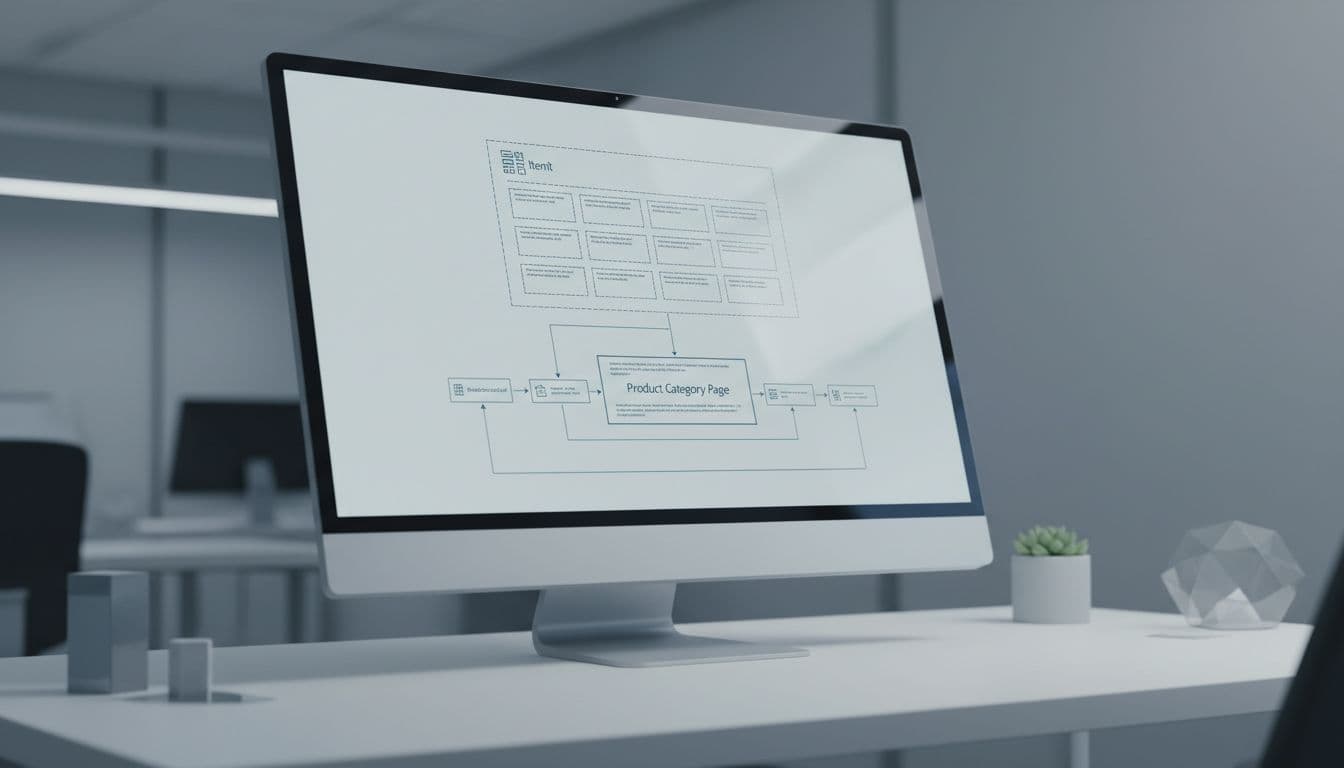
Recommended schema for affiliate category pages:
- BreadcrumbList: Helps Google understand hierarchy and reinforces internal structure.
- ItemList: Mark up your list of picks, with correct ordering and URLs that match what users see.
- Organization and WebSite (site-wide): Strengthens publisher identity across the domain.
- Product and Review (use carefully): Only where the page truly contains original product-level details, and don’t fake ratings.
Then handle the trust basics that affiliates sometimes skip:
- Put a clear affiliate disclosure near the top, before the first affiliate link.
- Use appropriate link attributes for affiliate URLs (commonly
rel="sponsored"). - Don’t overload the first screen with buttons and “deals.” Let the comparison do the selling.
For a safe workflow when monetizing or re-monetizing content, follow add affiliate links without losing SEO, especially if the page already ranks.
Finally, track what 2026 SERPs actually do: your rankings can hold steady while clicks drop because AI Overviews answer the basics. Watch Search Console CTR, not just position. Pair that with conversion metrics (EPC, RPM, assisted conversions) so you don’t “optimize” into lower earnings.
Conclusion
If your affiliate category page feels like a real shopping assistant, it has a chance in 2026. Nail intent first, make above-the-fold choices obvious, and back every pick with clear criteria and proof. Then protect crawl and speed so Google spends time on the pages that pay you. The best affiliate category page SEO is still simple at the core: help the buyer choose faster, and be transparent while you do it.