
If you’re new to affiliate link building, the hardest part isn’t writing content. It’s getting real sites to link to it without feeling awkward, spammy, or “salesy”.
The good news is that in 2026, simple outreach still works, as long as you lead with value and target the right pages. This process matters for boosting SEO rankings and positioning your content in AI overviews and modern search results through high-quality backlinks. Think of it like borrowing trust. A backlink is another creator saying, “This is worth your time.” Your job is to earn that sentence.
A beginner-friendly affiliate link building outreach workflow (simple, ethical, repeatable for high-quality backlinks)
Start with a page that deserves links. For beginners, that usually means one of these linkable assets:
- A tutorial that solves a clear problem
- A comparison page with honest pros and cons
- A “best-of” list with real selection criteria
Before you email anyone, clean up two trust basics that strengthen your E-E-A-T signals. First, add a clear disclosure (use these affiliate disclosure examples if you need copy you can paste). Next, make sure your affiliate links feel helpful, not scattered, by following this affiliate link placement map.
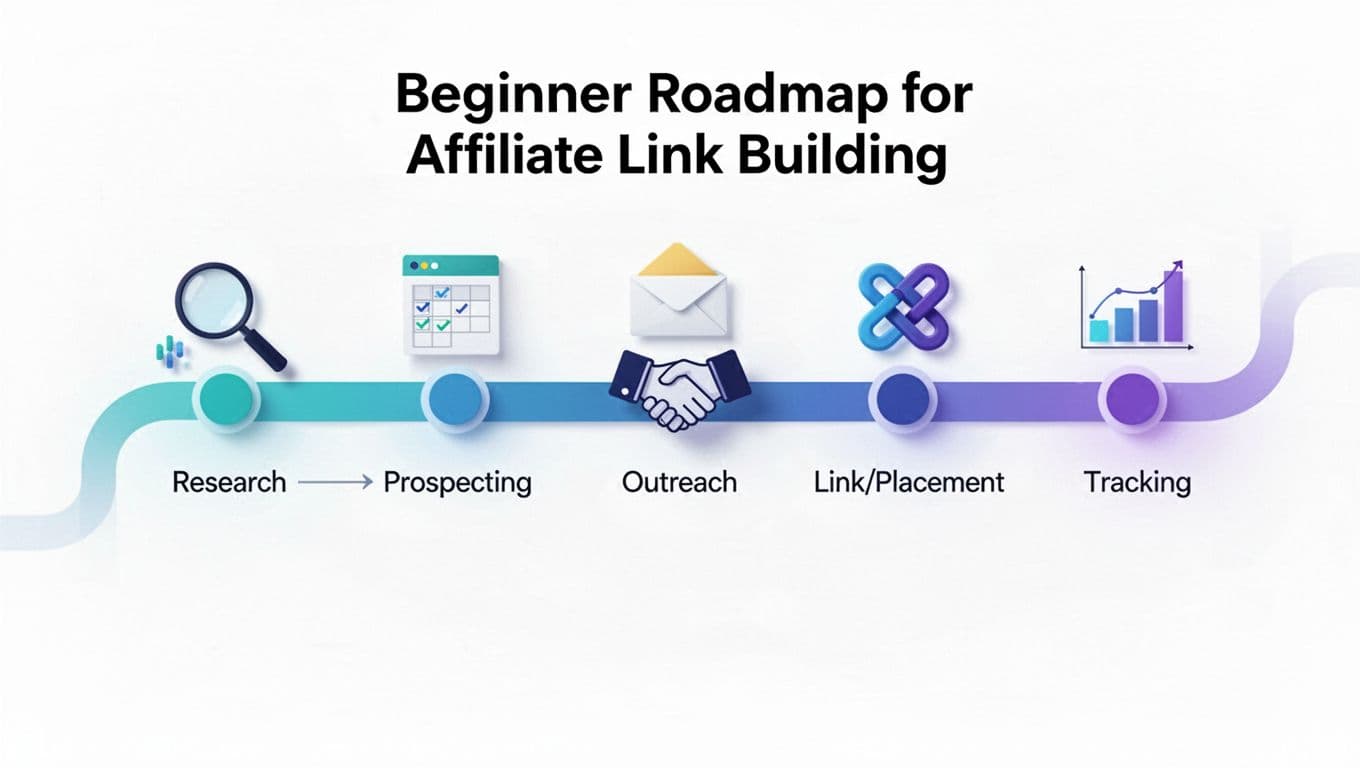
Here’s a simple link building outreach workflow you can run weekly as an outreach campaign on a small budget:
- Pick one “linkable” page: Improve it first, then promote it.
- Build a prospect list of 30 sites: Don’t overthink it, just start.
- Choose one outreach angle: Match your angle to their page type.
- Send 10 personalized emails: Keep them under 120 words.
- Send a follow-up email twice: Most replies come from follow-ups.
- Track results: Replies, links, clicks, and commissions.
Link building outreach works best when your email sounds like a human, and your request feels like a favor to their readers.
Prospecting queries and how to qualify targets fast (without paid tools)
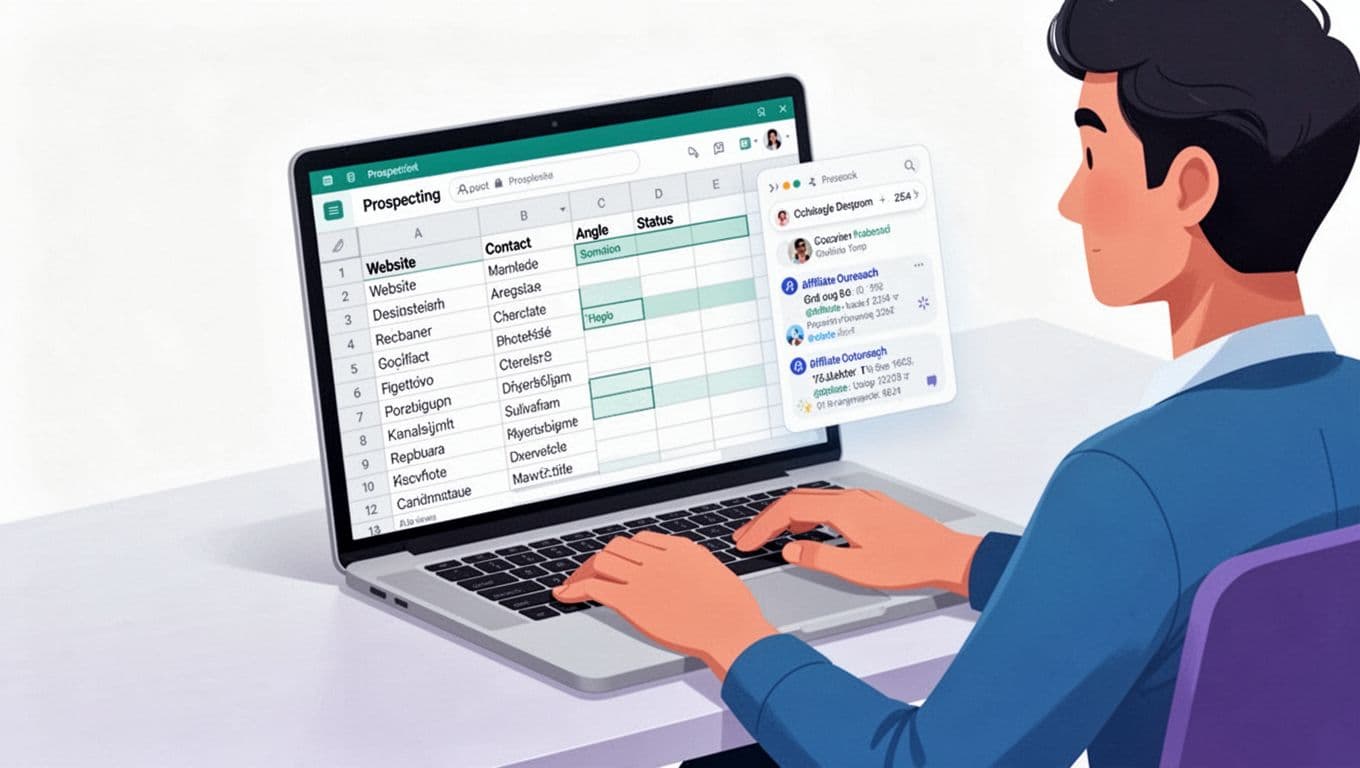
Prospecting is just finding pages that already link out and provide backlinks to others. That’s why beginners should focus on resource page links, curated lists, and tutorials that cite sources.
Use these Google searches to surface prospects in search engine results (swap in your niche keyword):
keyword + "resources"keyword + "helpful links"keyword + "recommended tools"keyword + "best" + "for beginners"site:.edu keyword + resources(works in some niches)intitle:resources keywordinurl:links keywordkeyword + "broken link"(perfect for broken link building, sometimes surfaces old resource hubs)
These queries excel at uncovering resource page links quickly. Once you find target websites, qualify them in two minutes. This quick table helps you avoid wasted emails.
| Qualifier | What “good” looks like | Quick test |
|---|---|---|
| Page intent | Educational, curated, or how-to | Do they link to multiple external sources? |
| Fit | Your page solves the same problem | Would their reader genuinely benefit? |
| Freshness | Updated within the last 24 months | Look for dates, recent comments, new links |
| Editorial vibe | Not a link farm, solid Domain Rating | If it’s stuffed with obvious promos, skip; verify Domain authority with free tools |
| Contact path | Easy to reach | About page, contact form, author bio, LinkedIn |
For tracking prospects, a free Google Sheet is enough. If you want guidance on a more structured outreach process, this 2026 link outreach guide is a solid reference for beginners.
Outreach angles that work best for affiliate content (and don’t feel salesy)
Affiliate pages can earn editorial links, but your angle matters. Many site owners won’t link to something that reads like an ad. So you pitch the most useful piece of the page, not the commission part.
Here are outreach angles that fit affiliate content naturally:
Best-of lists: Pitch them as a curated shortcut. Example: “I tested five options and summarized who each one is for.” Offer a short snippet they can quote. These often secure strong backlinks from resource pages.
Comparison pages: Pitch a missing comparison they already hint at. Example: “Your guide mentions X vs Y, I published a side-by-side table with setup time, pricing tiers, and limits.”
Tutorials: Pitch them as a problem-solver. Example: “You recommend doing A, here’s a step-by-step walkthrough with screenshots and a checklist.”
Unlinked brand mentions: For more established affiliate brands, scan for unlinked brand mentions in relevant articles and pitch a link to your in-depth resource.
While guest posting serves as a solid alternative angle for affiliate sites, these pitches blend helpfulness with subtle promotion. You can also suggest niche edits to add contextual links into their existing content.
This link building outreach approach builds diverse backlinks and earns editorial links that enhance your site’s authority. A link to a tutorial can still drive readers into your affiliate funnel later. If you want a broader view of what tends to work for monetized sites right now, see link building for affiliate sites in 2026.
Copy/paste email templates (personalized pitch + follow-ups)
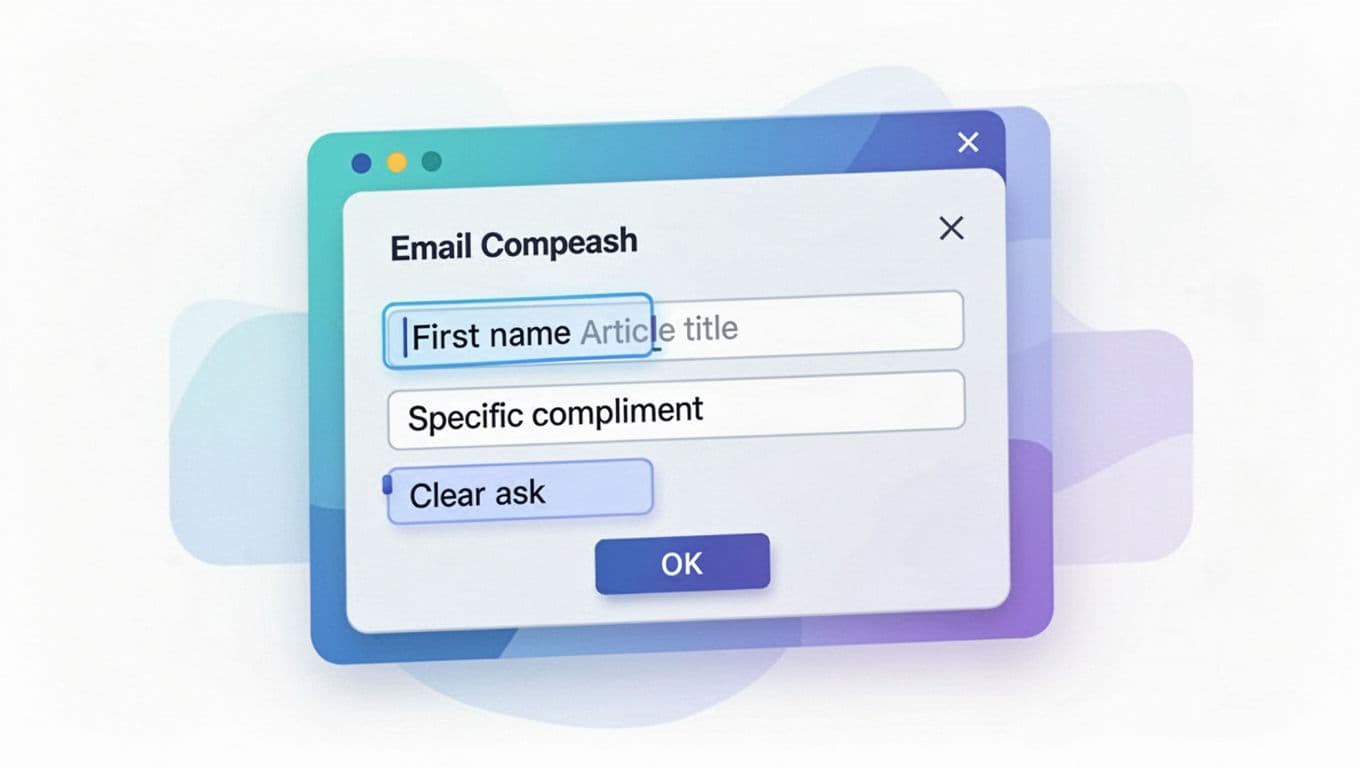
These email templates form a cohesive outreach campaign. A personalized pitch doesn’t mean writing a novel. It means proving you actually looked. Add one specific detail, then get to the point to boost email deliverability. In your personalized pitch, avoid being too pushy about specific anchor text.
Personalized pitch: Resource page suggestion
Subject: Quick addition for your [Topic] resources
Hi [First name],
I liked your resource page on [Page title], especially the part about [specific detail].
I put together a [checklist/tutorial/comparison] on [topic] that helps readers [clear outcome]. If you think it fits, here’s the link: [your URL].
If not, no worries either way.
Thanks,
[Your name]
Template 2: “You mentioned X” (contextual link)
Subject: Small reference for your [Article title]
Hi [First name],
In your section about [mention], you recommend [current advice]. I published a step-by-step guide that shows exactly how to [task] (with a quick checklist).
Would you consider adding it as a reference in that section?
Link: [your URL]
Cheers,
[Your name]
Template 3: Broken link replacement
Subject: Broken link on [Page title]
Hi [First name],
I found a broken link on your page here: [their URL]. It looks like the [tool/article name] resource no longer loads.
I have a similar, updated guide on [topic] here: [your URL]. If you want, you can swap it in.
Thanks,
[Your name]
Template 4: Add a comparison table (affiliate-safe)
Subject: Optional comparison table for your readers
Hi [First name],
Your [page title] is one of the clearer explanations I’ve seen for [topic].
I published a simple [X vs Y vs Z] comparison table that answers the questions people usually ask (pricing, setup time, who it’s for). If you’re updating that page, you’re welcome to reference it: [your URL].
Best,
[Your name]
Follow-up email #1 (3 to 5 days)
Subject: Re: [same subject]
Hi [First name],
Quick follow-up in case this got buried. Still happy to send a 2 to 3 sentence summary you can paste into your section on [topic].
Link again: [your URL]
Thanks,
[Your name]
Follow-up email #2 (7 to 10 days, close the loop)
Subject: Should I close this out?
Hi [First name],
Last note from me. Should I close this out, or would you like a shorter version tailored to your [page section]?
Either way, appreciate your time.
[Your name]
Tracking, link monitoring, and success metrics (UTMs, dashboards, and reality checks)
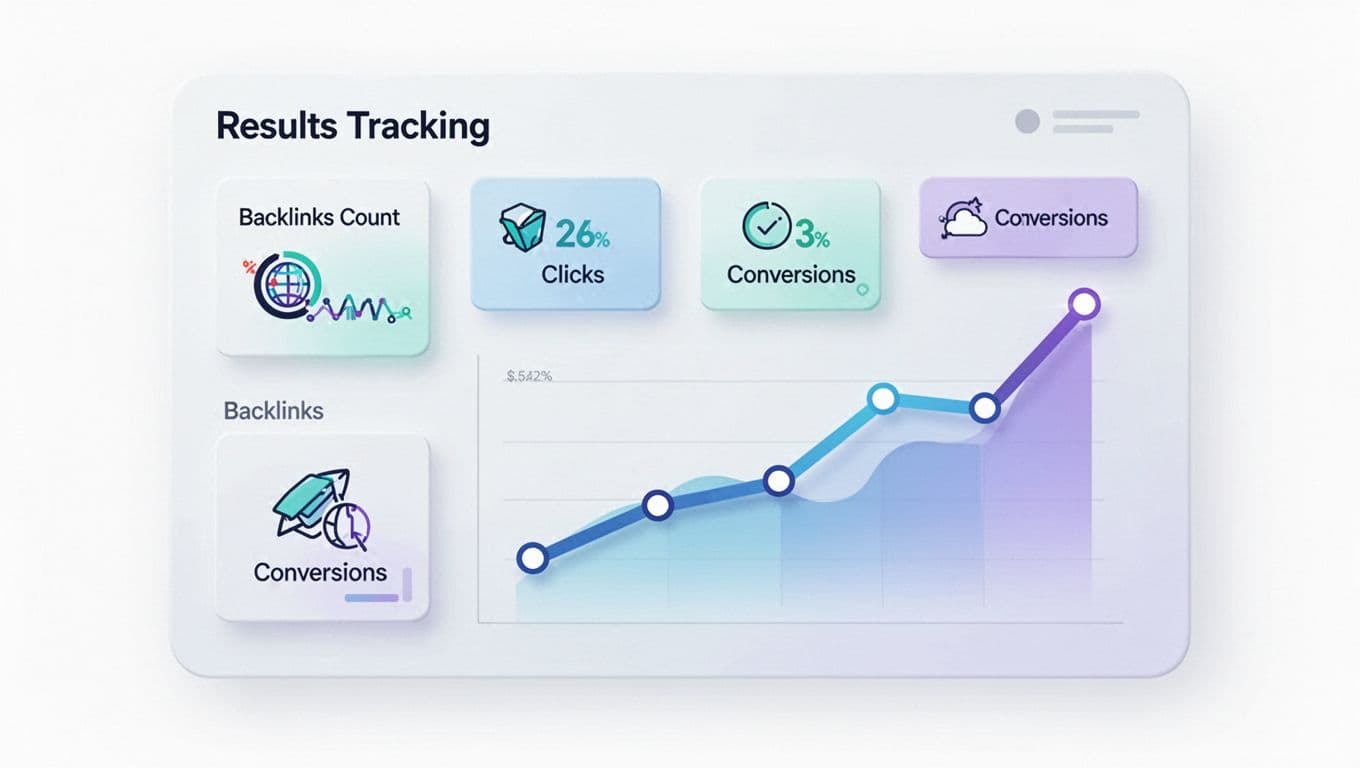
Outreach feels motivating until you can’t tell what worked. So track your outreach links and backlinks from day one.
Start simple:
- Use UTM tags on outreach placements when it makes sense (especially if you give someone a special “recommended resources” link).
- Track outbound affiliate clicks and top pages in GA4 with a consistent naming system (this GA4 affiliate tracking guide lays it out step-by-step).
- Monitor new backlinks in Google Search Console, and sanity-check your top linked pages weekly.
Success metrics that matter for beginners:
- Response rates: How many people responded (even a “no” counts).
- Placement rate: Outreach links earned per 10 emails sent.
- Backlink quality: Relevant page, real traffic, real editorial context.
- Referral traffic: Are people arriving from the new link?
- Affiliate conversions: Sales, leads, EPC, and reversal rate in your affiliate dashboard.
Cold outreach often lands in low single-digit response rates, so consistency matters more than clever wording. This digital PR and outreach guide for 2026 breaks down what to expect so you don’t panic after 20 quiet emails. It contextualizes outreach within the broader scope of modern Digital PR.
Safety rule: skip PBNs, mass email blasts, and “pay us for a dofollow” deals. Focus on relationship building and earn editorial backlinks, because shortcuts can cost you rankings and commissions.
Budget-friendly tools that are usually enough: Google Sheets, Gmail, Google Search Console, GA4, and a low-cost domain email. If you can spend a little, use a basic email warm-up and a simple CRM, but prioritize relationship building with a boring and consistent system to monitor referral traffic from your backlinks.
Conclusion
Affiliate link building in 2026 isn’t about sending more emails. It’s about sending fewer emails to better targets, with a clear reason that helps their readers. Start with one great page, use simple prospecting queries, then run a steady link building outreach rhythm for 30 days. Once you track replies, links, clicks, and conversions, you’ll secure valuable backlinks to boost your SEO rankings and know what to repeat and what to drop.