
If Google crawls your affiliate pages but won’t index them, it feels like stocking a store that no one can enter. The good news is you can usually fix it without tricks or risky shortcuts.
This affiliate indexing checklist focuses on the two things Google rewards in 2026: clean technical signals and pages that add real value beyond what’s already in the results. You’ll also get a priority matrix, a troubleshooting table, and a 30-day plan you can follow.
What “Crawled, currently not indexed” really means in 2026 (and why affiliates see it a lot)
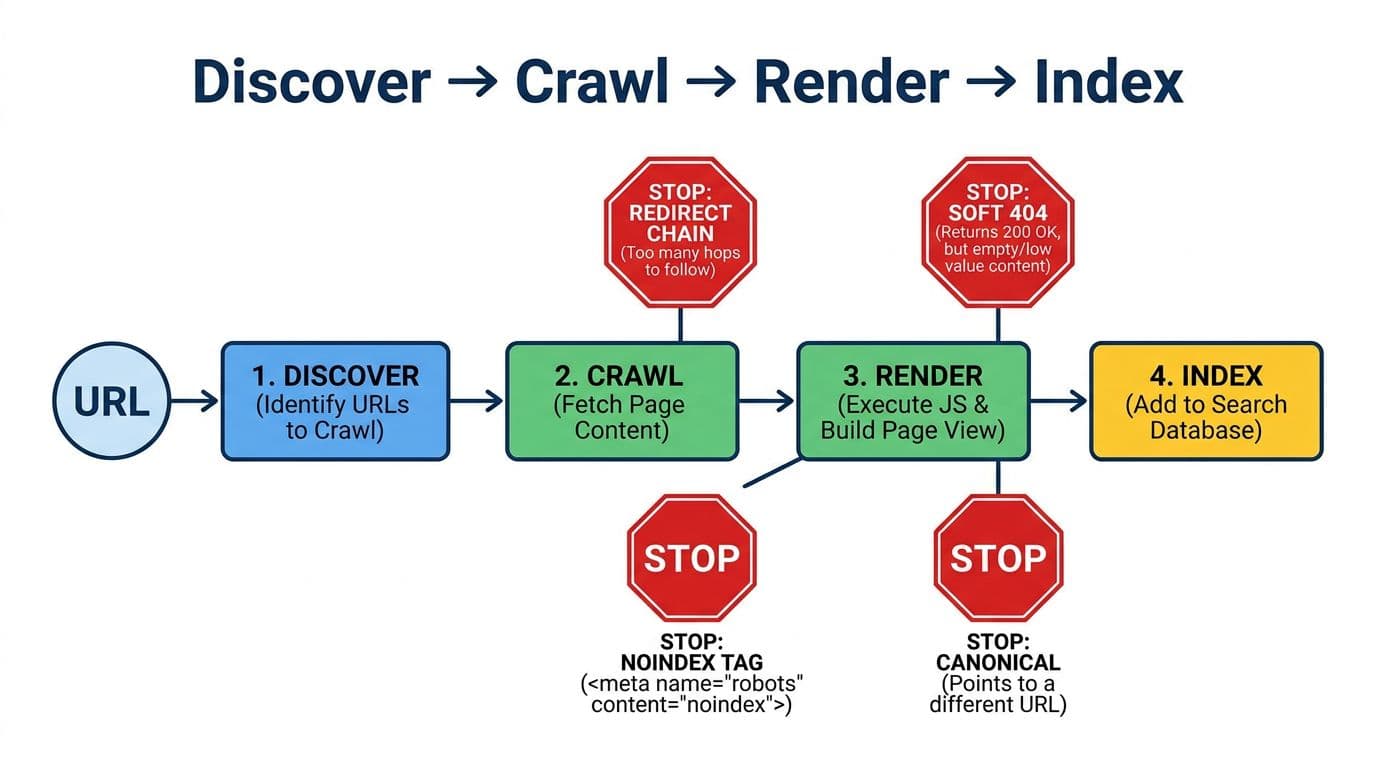
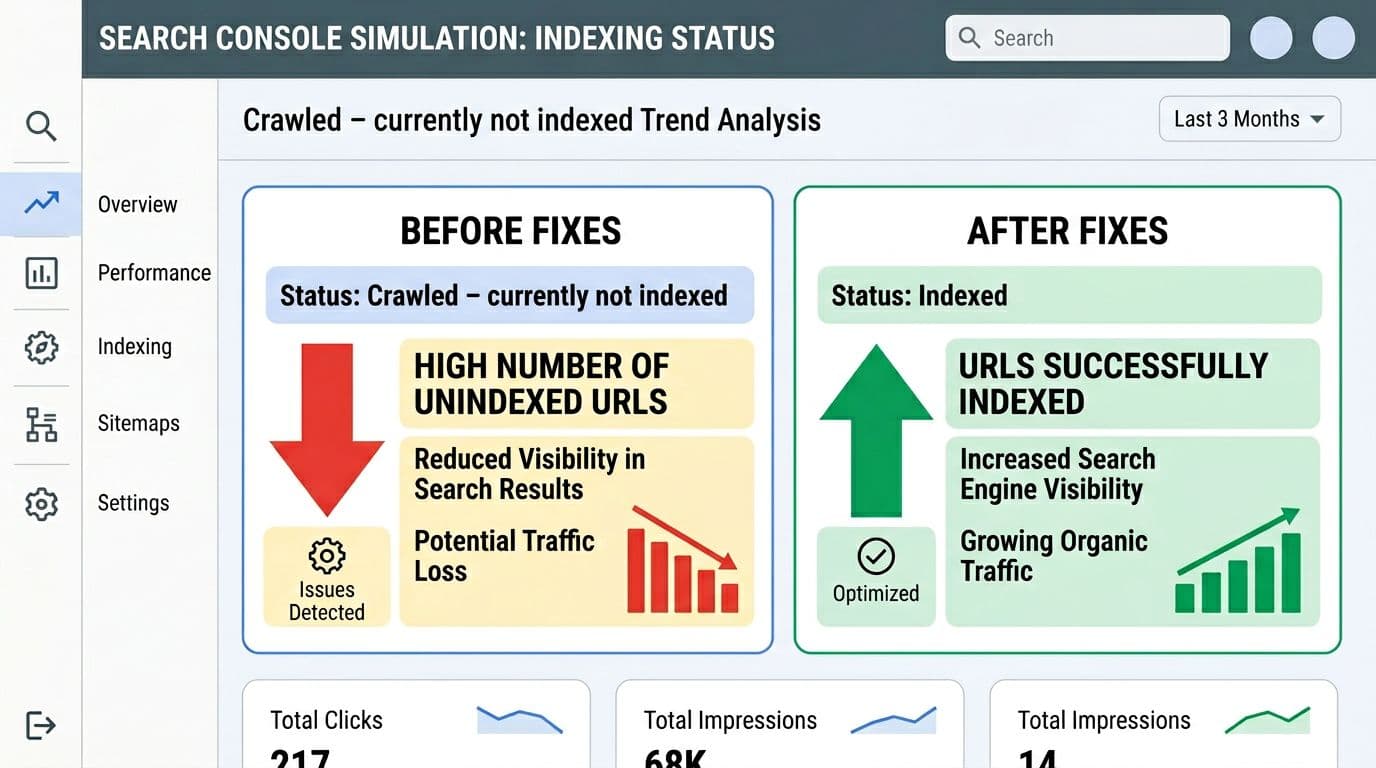
“Crawled, currently not indexed” means Google visited the URL, then decided it wasn’t worth adding (or keeping) in the index right now. That decision often comes down to value, duplication, and confidence.
Affiliate sites trigger this status more than most, because many pages look similar on the surface:
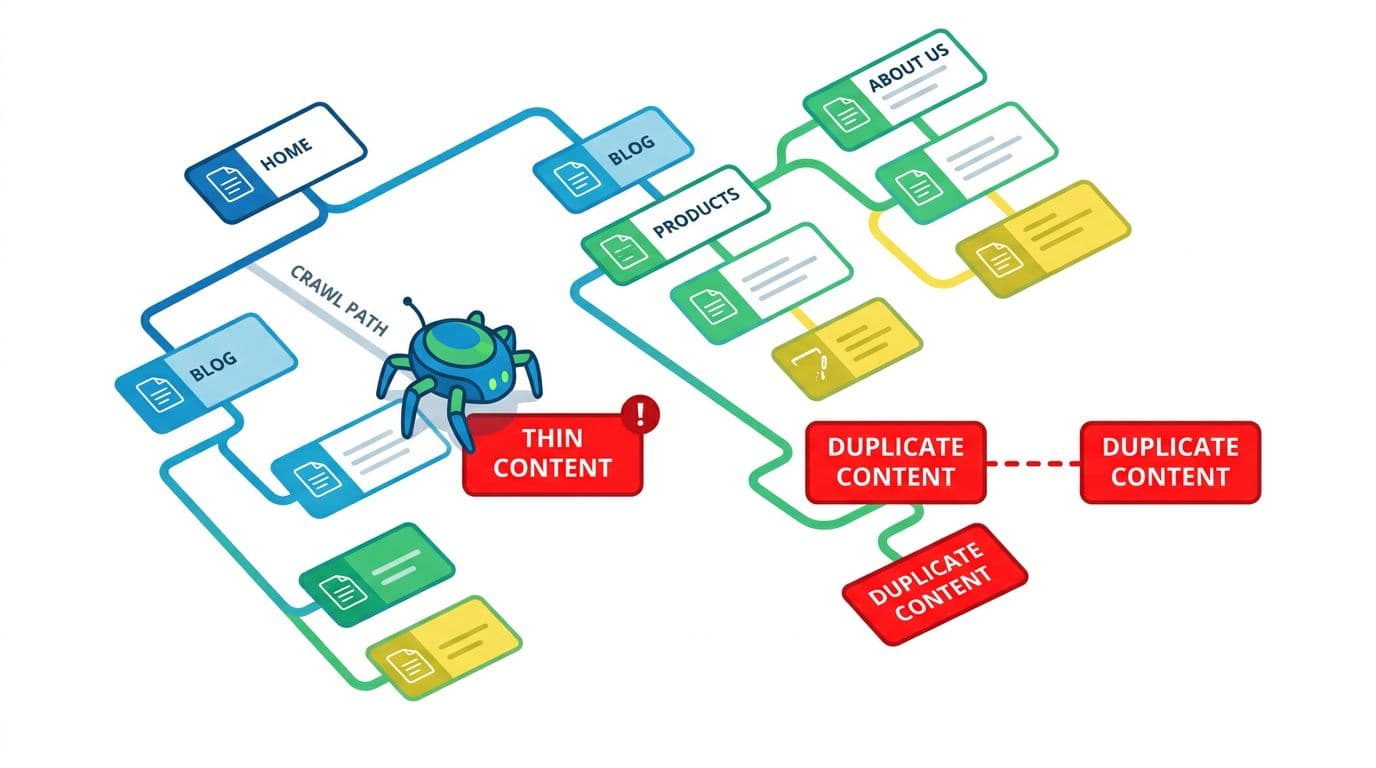
- “Best X” roundups that repeat common specs and lack original testing or clear selection rules.
- Review pages that are mostly affiliate buttons and a short summary.
- Comparison tables that scrape merchant copy, then add little context.
- Product URLs that become outdated (discontinued, out-of-stock, replaced), so the page starts behaving like a soft dead end.
- Affiliate “go” links that create redirect chains or crawl traps.
Google’s own community guidance around the issue points back to basics: fix quality and technical blockers, then re-check the URL, not the other way around. See the discussion in the Search Console community thread on “Crawled, currently not indexed”.
If you request indexing without changing anything, you’re mostly re-submitting the same problem.
Affiliate indexing checklist for 2026 (do this in order)
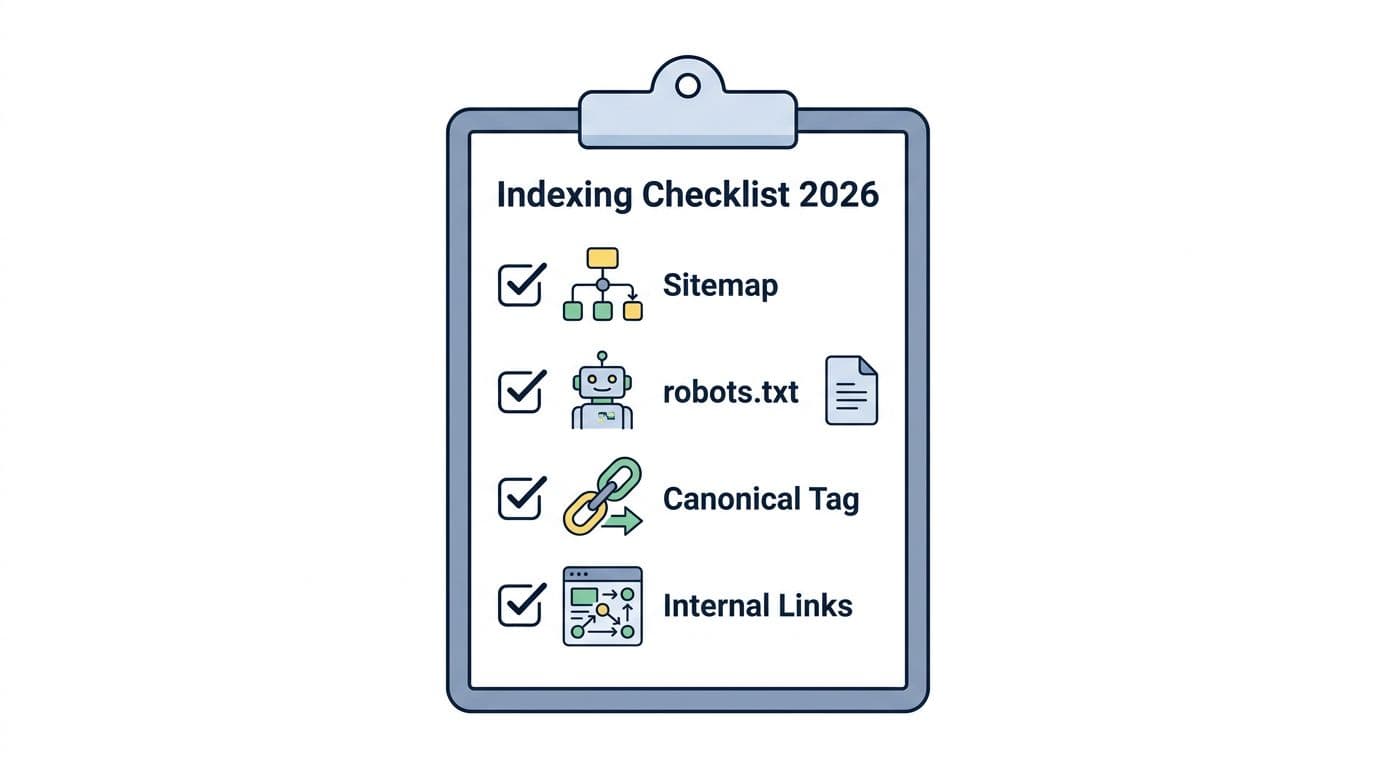
Use this affiliate indexing checklist on the exact URLs that show “Crawled, currently not indexed” in Google Search Console (GSC). Start with the fastest confirmations first.
1) Prove the page can be indexed (no guesswork)
- In GSC, open URL Inspection, then run Test Live URL.
- Confirm the page is not blocked by robots.txt and does not contain a meta robots noindex.
- Check canonical signals. If canonical points elsewhere, Google may ignore this URL.
- Make sure the page returns 200 (not 3xx, 4xx, or a “soft 404” page template).
- Verify the URL is in your XML sitemap, and the sitemap is submitted in GSC.
2) Remove affiliate-specific crawl and duplication problems
- Fix affiliate redirect chains. Keep “go” links to a single clean hop (one 301).
- Avoid indexing “go” URLs at all. They’re not content, they’re exits.
- Reduce near-duplicate pages. For example, “Best VPN for Students” and “Best VPN for College” can cannibalize. Merge or differentiate.
- Update expired offers and stock issues instead of leaving dead-end advice. If inventory changes are common in your niche, follow an SEO-safe workflow like this guide on how to handle out-of-stock affiliate products SEO safely.
3) Add clear “why this page exists” value
- Add first-hand experience where possible (photos, testing notes, setup steps, mistakes, results).
- Make comparison tables earn their space. Add criteria that isn’t obvious (noise, warranty support, beginner fit, long-term costs).
- Explain tradeoffs and who each pick is for, in plain language.
- Keep affiliate links helpful, not crowded. If you’re updating older posts, use a controlled approach like this update blog posts with affiliate links without hurting SEO.
- After changes, request indexing for the updated URL, then wait. Don’t spam the request button.
For an extra debugging pass, this crawled but not indexed debug checklist is a solid companion reference.
Prioritize fixes with a simple matrix, then troubleshoot like a technician
When you have dozens (or hundreds) of affected URLs, speed matters. Use this impact vs effort matrix to decide what to do first.
| Fix item | Impact | Effort | Do this when |
|---|---|---|---|
| Remove noindex, unblock robots, fix wrong canonical | High | Low | Any time it appears |
| Improve thin affiliate sections (add experience, criteria, tradeoffs) | High | Med | Pages with impressions but no indexing |
| Merge near-duplicates, then 301 to the survivor | High | Med | Multiple similar URLs compete |
| Fix redirect chains on affiliate “go” links | Med | Low | Crawl budget looks wasted in logs |
| Rebuild internal links to the page from relevant hubs | Med | Med | Orphan or deep pages |
Next, use this troubleshooting table to match what you see in GSC (and logs) to the fix that usually works.
| Symptom | Likely cause | Confirm in GSC/logs | Fix |
|---|---|---|---|
| “Crawled, currently not indexed” plus very low word count | Thin content | URL Inspection, rendered HTML looks light | Add unique review detail, FAQs, decision rules |
| Indexed version is a different URL | Canonical conflict | URL Inspection shows selected canonical | Align canonicals, merge duplicates, fix internal links |
| Many URLs crawled that aren’t content | Affiliate redirects or parameter spam | Server logs show heavy hits on /go/ or ?ref= | Noindex redirect URLs, clean internal links |
| Page shows “Soft 404” sometimes | Template looks empty or outdated product | Pages report, live test, logs show 200 with thin body | Add alternatives, update content, or return true 404/410 when appropriate |
| Crawled but Google keeps dropping it | Low site trust for that topic | Performance shows few impressions site-wide | Improve topical depth, strengthen internal linking, publish supporting content |
| Render issues on page | Script-heavy tables or blocked resources | Live test shows incomplete render | Simplify tables, reduce scripts, unblock resources |
For broader context on indexing problem patterns in 2026, this guide on fixing website indexing problems can help you spot site-wide issues.
FAQ and a 30-day remediation plan for affiliate sites
FAQ
Should I submit the URL in GSC again and again?
No. Submit after meaningful changes, then give it time.
Are indexing tools or “instant index” services safe?
Skip them. They often create spam signals or wasted crawl activity.
Do affiliate comparison tables cause indexing problems?
Not by themselves. Tables hurt when they replace explanation, testing, and decision help.
What about expired or discontinued products?
Update the page with replacements and clear notes, or retire it cleanly (and redirect only when intent matches).
30-day remediation plan (repeatable)
- Days 1 to 3: Export affected URLs from GSC Pages report, group by template type (review, roundup, “go” links, tag pages).
- Days 4 to 10: Fix High impact, Low effort items first (noindex, robots, canonicals, sitemap inclusion, redirect chains).
- Days 11 to 20: Refresh the top 10 to 30 money pages with the strongest intent. Add first-hand detail, better comparisons, and cleaner link placement.
- Days 21 to 27: Merge or rewrite duplicates, then rebuild internal links from relevant hubs and category pages.
- Days 28 to 30: Request indexing for updated URLs, monitor crawl patterns in logs, then schedule the next batch.
Conclusion
“Crawled, currently not indexed” isn’t a punishment, it’s a signal. Run the affiliate indexing checklist, fix technical blockers first, then make your reviews and comparisons obviously better than the average page on the topic. After that, re-submit and let Google re-evaluate. The sites that win in 2026 treat indexing as a quality outcome, not a button to press.