
A traffic drop after a core update can feel like the floor gave way overnight. For review sites, though, recovery usually isn’t about one broken page. It’s about usefulness, proof, and trust showing up weak across a whole section of the site.
If your rankings slipped during the March 2026 volatility, don’t rush into mass rewrites. A smart affiliate recovery plan starts with diagnosis, then fixes the pages that lost because they stopped being the best answer.
Audit the drop before you rewrite anything
Start with the date range. Compare pre-March 27 performance with post-rollout data in Search Console and GA4. Look at page groups, not only sitewide charts. You need to know whether the hit came from review pages, comparisons, informational posts, or a mix.
During the March 2026 rollout, ALM Corp’s update timeline and response guide repeated a point many site owners ignore: broad changes during active volatility make diagnosis harder. So freeze big sitewide edits for a few days, then sort pages into three buckets, small drops, major drops, and pages that held steady.
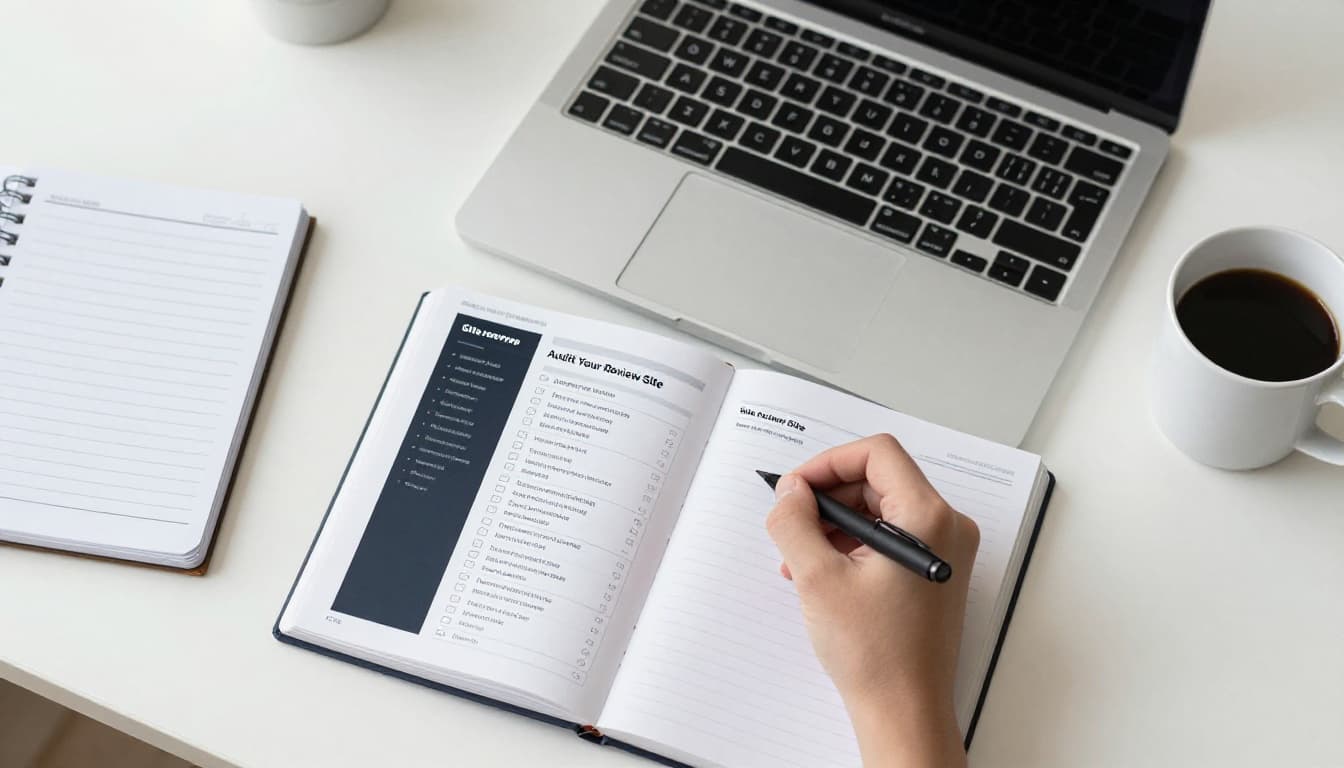
Next, inspect the losing pages by template. Ask simple questions. Did rankings fall mostly on pages with weak intros? Are there too many affiliate links above the fold? Did Core Web Vitals turn poor on mobile? Are several pages fighting for the same query?
That last issue is common on affiliate sites. A “best X,” “X review,” and “X alternatives” page often overlap until Google can’t tell which one deserves the click. If that sounds familiar, fix competing posts on affiliate sites before rewriting individual paragraphs.
Use one short scoring sheet for each affected URL. Track intent match, first-hand proof, author transparency, page speed, monetization load, and overlap with other pages. Pages that dropped from position 4 to 25 deserve hands-on review first. Pages that slipped from 2 to 4 may need patience, not surgery.
Don’t recover by changing 100 pages at once. If everything changes, you won’t know what helped.
Rebuild the signals review content now needs
Most review sites didn’t lose because they had affiliate links. They lost because the review no longer felt earned. In 2026, weak review content reads like a catalog page with opinions stapled on top.
A weak paragraph sounds like this: “Tool X is amazing for beginners. It has great support, great pricing, and great features.” That tells the reader nothing. A strong paragraph sounds different: “After testing Tool X on a five-page niche site, setup took 18 minutes, email support answered in 7 hours, and reporting lagged on mobile.” One sounds copied. The other sounds lived-in.
So rebuild pages around evidence:
- Show how the product was tested.
- State who reviewed it and why their opinion matters.
- Explain the scoring criteria.
- Include trade-offs, not only benefits.
- Update screenshots, dates, pricing notes, and alternatives.
Reviewer transparency matters as much as the verdict. Add real author bios, clear editorial standards, and an explanation of how products are chosen. If you use a team, say who edits, who tests, and how conflicts are handled. Google keeps pushing site owners toward meaningful quality improvements, and review pages need to show real experience, not polished claims.
Also clean up the commercial layer. Keep disclosures plain, keep buttons reasonable, and avoid stuffing exact-match anchors into every sentence. When refreshing older monetized content, follow a process that helps you safely add affiliate links to old posts without changing the page’s core purpose.
Some industry trackers reported heavy damage across affiliate publishers during the spring rollout, including this March 2026 volatility summary. The pattern was familiar: sites with original testing and cleaner UX held up better than pages built from recycled product blurbs.
A phased affiliate recovery plan for the next 90 days
The fastest path is rarely the best one. Treat recovery like a controlled rebuild, with short-term triage, medium-term content work, and long-term editorial cleanup.
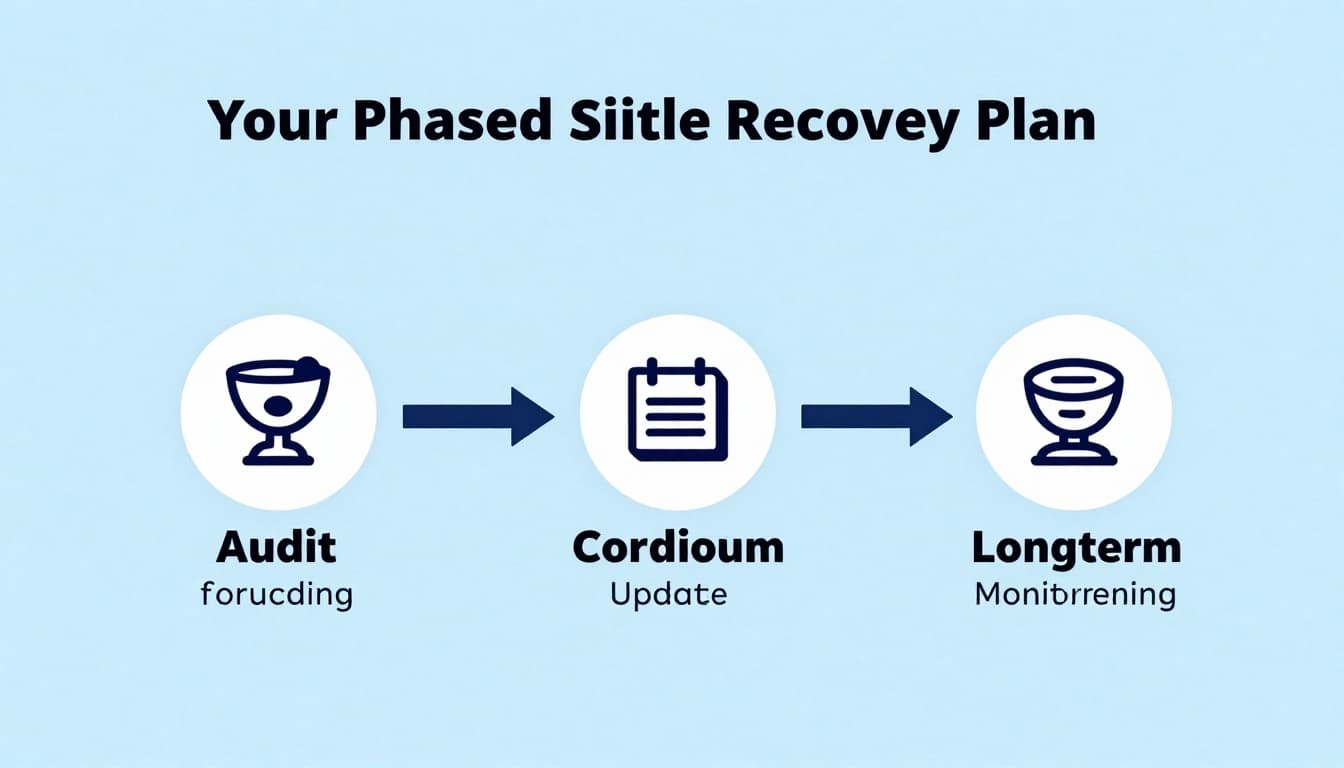
Here’s a simple plan you can hand to your team.
| Phase | Window | Priority actions |
|---|---|---|
| Short term | Days 1 to 14 | Freeze mass edits, benchmark losers, fix indexation, improve mobile speed, reduce ad clutter |
| Medium term | Days 15 to 45 | Rebuild top losing reviews with first-hand proof, author details, better comparisons, and clearer verdicts |
| Long term | Days 46 to 90+ | Merge overlaps, standardize review SOPs, refresh testing cycles, improve internal linking, track page-group recovery |
In the first two weeks, go after obvious friction. Fix slow templates, broken schema, intrusive pop-ups, and bloated comparison tables. Then review your top 10 to 20 losing money pages by hand. If a page feels vague in the first 30 seconds, your readers feel it too.
From days 15 to 45, rewrite the pages most likely to recover. Lead with the answer, not the sales pitch. Add test notes, buyer-fit guidance, pros and cons, and “who should skip this” sections. If you can’t back a recommendation with experience or documented research, lower its prominence.
After that, tighten the whole system. Build a review template that forces evidence, disclosure, author identity, update dates, and decision criteria onto every page. Recovery often lags behind the fixes, so keep a changelog and watch trends weekly instead of checking rankings every hour.
A good affiliate recovery plan isn’t flashy. It’s a repeatable way to make review pages more honest, more useful, and easier to trust.
Pick five damaged pages this week and treat them like a product audit, not a copy edit. That’s where recovery starts.