

If your affiliate page ranks but nobody clicks, your title is the front door. In the changing landscape of affiliate marketing and amid 2026 SEO trends like AI Overviews, that door has to look honest, specific, and useful. Not loud.
The good news is you don’t need tricks. The best affiliate seo titles earn clicks by matching intent, signaling proof, and making the outcome clear. When the promise feels real, the right people enter, and they stay.
What earns the click in 2026 (and what gets ignored)
Google has become less forgiving with headlines that over-promise. February 2026’s Discover changes also pushed sensational titles down in feeds, rewarding clear, trustworthy phrasing instead. With the rise of Zero-click Search and Answer Engine Optimization, that’s not just a Discover issue, it’s a mindset shift. Readers tired of affiliate marketing “secret hack” titles have seen every gimmick already, so they scan for signs of reality in Human-generated Content.
High Click-through Rate titles usually share four traits:
First, they match Search Intent the searcher is trying to make. “Best budget” and “best for beginners” are different jobs. If you want a fast way to pick the right angle before you write, use these SERP signals for affiliate posts.
Next, they include specific modifiers that reduce uncertainty, such as “pricing,” “pros and cons,” “setup time,” “data,” “tested,” “for small spaces,” or “for carry-on travel.” These work because they feel like a label on a shelf, not a pitch.
Then, they use proof cues without pretending you ran a lab. Words like “tested,” “benchmarks,” “trial notes,” “refund terms,” and “pricing breakdown” hint at effort and reduce fear. These align with E-E-A-T Guidelines, particularly through User-generated Content such as authentic trial notes or refund experiences, to signal real authority.
Finally, they differentiate with a real angle. Broad titles blend together. A simple “for freelancers” or “for apartments” can separate you from ten identical results. For context on what’s been working this year, Marketer Milk’s SEO trends in 2026 is a useful pulse check.
If the title makes a promise your page can’t keep in the first 15 seconds, your CTR might rise briefly, but your rankings and conversions won’t.
A simple title formula you can reuse (without sounding spammy)
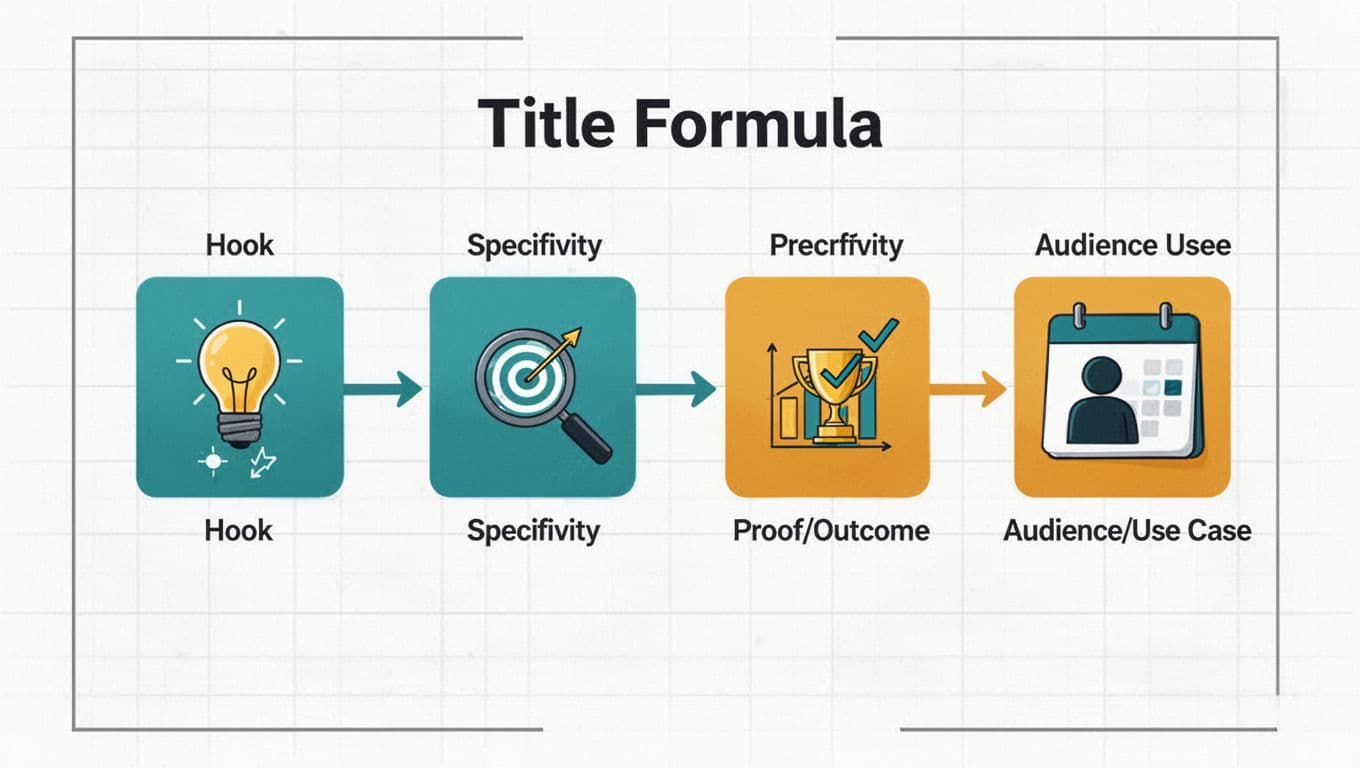
A reliable formula for affiliate pages in affiliate marketing is:
Outcome or decision + specificity + proof cue + audience or use case
You won’t use every part every time, but the structure keeps you honest. It also stops the “too clever” title problem. Targeting specific audiences or use cases, such as those in personal finance seeking recurring commissions, drives higher conversions.
Here are patterns that earn clicks because they reduce doubt fast. Use AI-powered search tools to find specific modifiers like timeframes or pain points:
| Pattern | Why it earns clicks | Plug-and-play template |
|---|---|---|
| Pricing-first | Removes fear of cost | “[Product] Pricing (2026): Plans, Limits, and Who Each Tier Fits” |
| Pros and cons | Signals balance and trust | “[Product] Pros and Cons After [Timeframe] (Who Should Skip It)” |
| Best-for use case | Matches commercial intent and narrows the fight | “Best [Category] for [Use Case] (Quiet Picks, Small Spaces, Low Setup)” |
| Comparison | Captures bottom-funnel commercial intent | “SaaS Affiliate Programs: [A] vs [B] Differences That Matter for [Persona] (Price, Ease, Results)” |
| Alternatives | Fits “I’m ready to switch” intent | “[Brand] Alternatives for [Pain Point] (Cheaper, Simpler, or More Features)” |
To keep the on-page promise tight, pair the title with a page structure that delivers quickly, plus structured data for better visibility. This high-converting product review structure makes it easier to support proof cues like “pricing” and “tested” without fluff. If you want a short checklist for title tags, this SEO title tag checklist aligns with what’s working right now.
40 click-worthy affiliate title examples from profitable affiliate niches across five niches
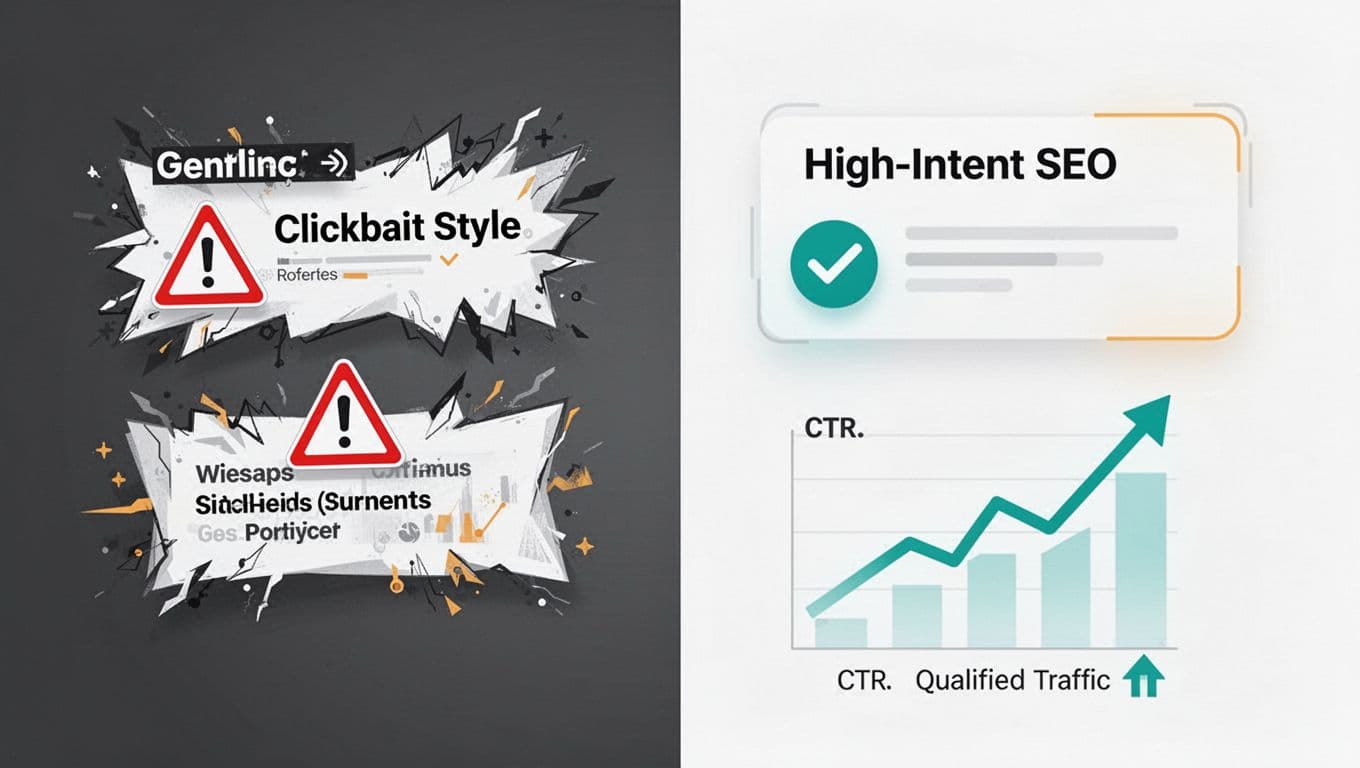
In affiliate marketing, each niche below uses the same idea: make the choice clearer. Notice how the titles lean on specificity, audience fit, and proof cues (not hype).
Software (SaaS, tools, apps)
- “[Tool] Pricing (2026): Plans, Add-Ons, and Hidden Limits to Watch”
- “[Tool] Review: What I’d Use It For (and What I Wouldn’t)”
- “[Tool] vs [Tool]: Best Pick for Freelancers Who Need Invoicing”
- “Best Password Managers for Families (Shared Vaults, Recovery Options)”
- “Best Email Marketing Tools for Beginners (Easy Automations, Fair Pricing)”
- “Best CRM for Solo Service Businesses (Fast Setup, Simple Pipelines)”
- “[Tool] Alternatives for Cheaper Automation (3 Solid Options Compared)”
- “Best Project Management Tools for Small Teams (Templates, Permissions)”
- “Best High-ticket Products in SaaS (Enterprise Features and Value Breakdowns)”
Home (appliances, DIY, home office)
- “Best Sustainable and Eco-friendly Air Purifiers for Small Bedrooms (Quiet Picks That Fit on a Dresser)”
- “Best Robot Vacuums for Pet Hair (Filters, Brush Design, Real Tradeoffs)”
- “Best Standing Desks for Short People (Height Range and Stability Notes)”
- “Best Budget Espresso Machines (Good Coffee Without Constant Repairs)”
- “Best Mattress Toppers for Back Pain (Firmness Guide and Materials)”
- “Best Space Heaters for Apartments (Safety Features and Noise Levels)”
- “Best Dehumidifiers for Basements (Capacity, Drain Options, Energy Use)”
- “Best Tool Kits for New Homeowners (What You’ll Actually Use)”
Fitness (gear, supplements, programs)
- “Best Adjustable Dumbbells for Small Spaces (Storage, Speed, Durability)”
- “Best Treadmills for Walking (Low Noise, Simple Controls, Good Warranty)”
- “Best Running Shoes for Flat Feet (Support Types Explained)”
- “Best Protein Powder for Sensitive Stomachs (Ingredients to Avoid)”
- “Best Fitness Trackers for Sleep (Accuracy Notes and Battery Life)”
- “Best Yoga Mats for Sweaty Hands (Grip Tests and Thickness Guide)”
- “Best Resistance Bands for Physical Therapy (Tension Levels That Make Sense)”
- “Best Online Workout Programs for Busy Parents (Time-Saving Plans)”
Finance (banking, cards, investing tools)
- “Best Budgeting Apps for Couples (Shared Categories and Sync Issues)”
- “Best High-Yield Savings Accounts (2026): Rates, Fees, and Access”
- “Best Credit Cards for Grocery Spending (Rewards Breakdown and Caps)”
- “Best Travel Cards With No Foreign Transaction Fees (Who They Fit)”
- “Best Tax Software for Side Hustles (Deductions, Support, Pricing)”
- “Best Brokerages for Beginners (Fees, Learning Tools, Mobile Experience)”
- “Best Business Checking Accounts for LLCs (Limits, Integrations, Fees)”
- “Best Invoicing Tools for Freelancers (Fast Setup, Clean Reports)”
Travel (bags, booking tools, travel gear)
These titles complement a video content strategy, pairing specifics with visuals for better engagement across media.
- “Best Carry-On Backpacks That Fit Overhead Bins (Size Notes, Comfort)”
- “Best Packing Cubes for Long Trips (Compression vs Easy Access)”
- “Best Travel Insurance for Families (Medical, Delays, Claim Basics)”
- “Best eSIM Plans for Europe (Coverage, Setup Time, Data Caps)”
- “Best Noise-Canceling Headphones for Flights (Comfort for Long Wear)”
- “Best Travel Strollers (Fold Test, Weight, One-Hand Open)”
- “Best Camera for Travel Vlogging (Stabilization, Audio Options, Battery)”
- “Best Lightweight Jackets for Layering (Warmth-to-Weight Picks)”
Mini playbook: pull modifiers from SERPs, use year cues honestly, and lift CTR in GSC
Start with the SERP, not your gut. For comprehensive insights, incorporate Search Everywhere Optimization and Branded Search Tactics in your analysis. Open the top 10 results and write down repeated words in titles, such as “budget,” “for beginners,” “quiet,” “pricing,” “alternatives,” “review,” “vs,” “tested.” Use Long-tail Keywords and AI-powered Search Tools to gather even more modifiers. Those repeats are your safest modifiers, because they reflect what Google already rewards for that query.
Use year cues only when you can support them. If pricing changed, models updated, or policies shifted, “2026” is fair. If nothing is new, skip the year and add a stronger proof cue instead, like “plans and limits” or “refund terms.” For deeper background on affiliate SEO fundamentals and 2026 SEO Trends, Mangools’ affiliate SEO guide (2026) is a solid refresher.
Avoid misleading superlatives. “Best ever” is vague, and it often triggers skepticism. Replace it with measurable fit, such as “best for small kitchens,” “lowest learning curve,” proof cues like Human-generated Content or Original Research, or “best warranty under $X.”
Align the title with the page’s first screen. If your title says “pricing,” show a pricing summary early. If it says “pros and cons,” include them before the scroll gets long. Ensure a Mobile-first Experience to keep the promise of the title. When you update older posts to match new titles, keep changes controlled; this workflow for monetize blog posts without tanking rankings helps.
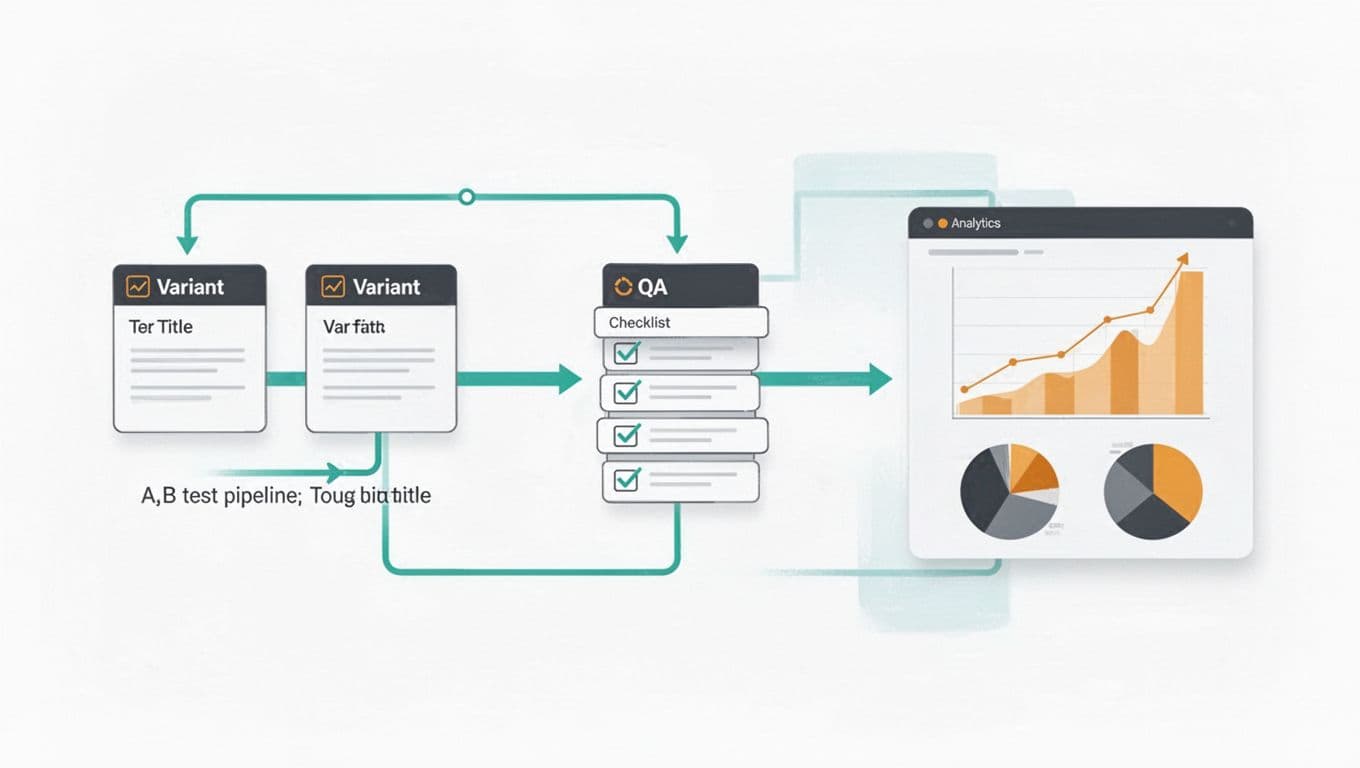
A simple Click-through Rate workflow in Google Search Console:
- Queries: Filter to queries with high impressions and average position 3 to 15.
- Pages: Open the page report, then pick one page with low CTR.
- Rewrite: Create two title variants, one proof-led, one audience-led.
- Measure: Run each version for 14 to 28 days (don’t change anything else).
- Keep: Lock in the winner, then move to the next page.
A good title doesn’t “trick” a click, it pre-qualifies it.
Conclusion
Clicks are cheaper than rankings, but only if your titles stay truthful. Use affiliate seo titles that match intent, add specificity, and hint at real proof. Well-crafted Affiliate SEO Titles are essential for building Brand Authority and Topical Authority. Then test changes with Search Console like you would any other optimization. Ultimately, these improvements lead to higher Conversion Rates and better long-term performance by bringing the right reader, and delivering on the first screen.