
Not approved yet, but traffic is already landing on your site? That gap feels painful, especially if you paid for clicks or spent weeks ranking a post. Still, you don’t need to let those visitors sit idle.
The smart move is to monetize affiliate traffic with temporary methods that earn now and still make sense later. Done right, this protects trust, keeps your accounts healthy, and makes the switch to affiliate offers much easier once approval comes through.
Start with a holding strategy, not a loophole
Treat this period like a waiting room, not a shortcut. Your page still needs to help the visitor. If the only plan is “get the click and figure it out later,” you’re already close to trouble.
Before you add anything, review the latest rules for your affiliate network, ad platform, and traffic source. Approval standards change. So do ad network policies. A fast check with an affiliate program checklist can save a lot of wasted effort.
Trust matters here. Clear disclosures and honest framing still apply, even before you have affiliate links. Both ethical affiliate practices and this transparency guide for affiliates make the same point: short-term tricks cost more than they pay.
A simple setup works best:
- Sort pages by intent: informational, comparison, or buyer-ready.
- Add one monetization layer: ads, email capture, your own offer, or a service lead.
- Track the basics: RPM, opt-in rate, bounce rate, and time on page.
For example, a broad SEO tutorial can carry display ads. A comparison post might work better with an email opt-in and a checklist. A paid traffic landing page often needs your own lead magnet or product, because display ad revenue alone rarely covers ad spend.
Skip fake review pages, forced redirects, and thin bridge pages. If the page adds little value now, it will likely struggle after approval too.
The best temporary ways to earn from affiliate traffic
Here’s the quick view before you choose.
| Method | Best fit | Main upside | Main downside |
|---|---|---|---|
| Display ads | SEO traffic, mixed website traffic | Fast to launch, low effort | Lower earnings, can hurt UX |
| Email opt-in plus welcome sequence | SEO, social, warm paid traffic | Builds an asset you own | Needs a lead magnet and follow-up |
| Low-ticket digital product | SEO and social with a clear pain point | Higher margin, full control | Takes setup and support |
| Direct sponsorship or service lead | Niche sites, expert-led brands | Can pay well per lead or placement | Harder for beginners, needs disclosure |
For most beginners, display ads are the easiest first step. Networks like Google AdSense, Media.net, or Adsterra can start paying before most affiliate approvals land. Place ads inside long posts, between sections, or in the sidebar, but keep the page readable.
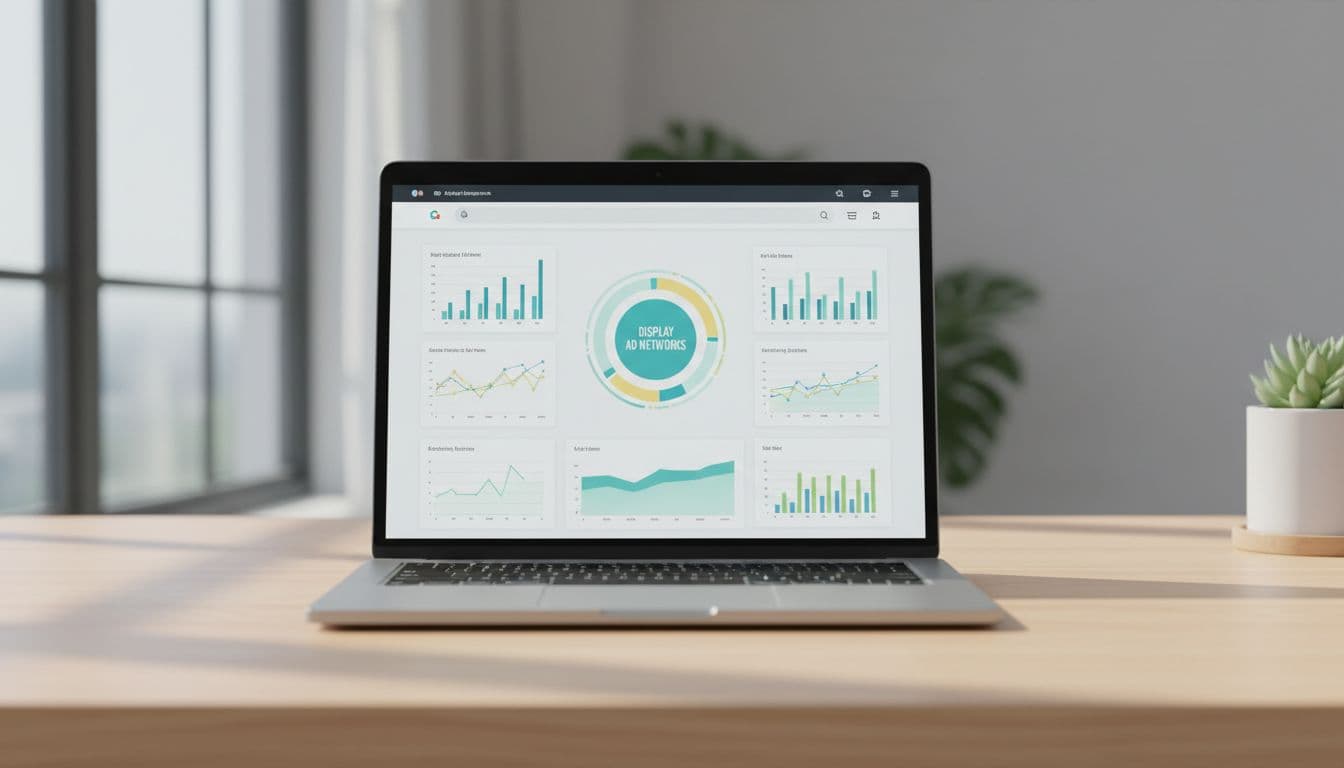
The pros are simple: quick setup, passive revenue, and no need to create a product. The downside is equally simple: low RPM on small sites. Also, ads rarely make sense for paid traffic, because the math is upside down unless you already have very cheap clicks and strong page depth.
Next, think about an email opt-in. Offer a checklist, short guide, calculator, or template that matches the page. Then use a welcome sequence to share helpful content, collect replies, and warm the reader for future approved offers. This works especially well if your niche has repeat questions.
A small digital product can beat ads fast. Think budget planner, swipe file, meal plan, prompt pack, or setup guide. If a visitor already trusts your article, a $9 to $29 offer can feel like the natural next step. The benefit is control. The trade-off is support, refunds, and delivery.
Finally, direct sponsorships or service leads can work when you already have a focused audience. A local finance site, for example, might sell a sponsored newsletter slot or route leads to a tax pro. Keep disclosures plain, and keep sponsored content rare.
Often the best mix is ads plus email capture for SEO, or email capture plus a small offer for social. What you want to avoid is piling everything onto the same page. Too many pop-ups, banners, and offers can hurt trust and page speed.
How each option fits SEO, social, and paid traffic
SEO traffic
Search traffic often responds best to display ads, email capture, and small digital offers. That’s because SEO visitors usually arrive with a specific problem. Meet that problem first, then offer a logical next step. Example: a post about budgeting apps can show ads, offer a spreadsheet, and later add approved software links in the comparison section. If approval comes later, you can start adding affiliate links to old posts safely instead of rebuilding everything.
Social traffic
Social clicks are warmer, but they vanish fast. So use simple landing pages, strong opt-ins, and low-friction offers. A short template or email mini-course works better than a crowded blog layout. Donations can work for creator-led brands, but they usually trail behind a useful product.

Paid traffic
Paid clicks are the strictest test. If your plan doesn’t work without affiliate commissions, don’t scale it. Start with a compliant landing page, a clear lead magnet, and either an email sequence, a low-ticket product, or a booked consultation. Use separate pages and UTM tags so you know whether the lead magnet, email sequence, or product is doing the work. Avoid running ads to empty placeholder pages just to “hold” traffic. Also, check current platform rules before launch, because paid traffic policies change faster than blog advice.
Here’s a safe waiting-period workflow:
- Send traffic to a helpful page with one clear promise.
- Add one monetization layer, not three.
- Capture email when it fits the visitor’s intent.
- Measure results for two weeks before changing anything.
- After approval, use an affiliate link placement map so the new offer feels natural, not bolted on.
If one page earns and keeps readers engaged, expand that format. If bounce rate climbs after a monetization change, roll it back. The best temporary setup is the one you won’t have to undo later.
Conclusion
You don’t need affiliate approval to start earning, but you do need a page that helps first. Ads, email capture, digital products, and selective sponsorships can all monetize traffic ethically while you wait. Keep the setup simple, review the latest rules before each change, and build something that still works if approval takes longer than expected. In short, monetize affiliate traffic in a way that makes your site stronger, not messier.