
High-ticket buyers do not click because a page feels busy. They click because the page makes the choice easy.
A strong affiliate bonus page template in 2026 does three jobs. It shows why the offer matters, it makes your bonus stack feel useful, and it removes doubt before the checkout click.
The best pages are honest and tight. They speak to one buyer problem, one offer, and one next step. If the page reads like a pile of random gifts, it gets ignored. If it feels focused and helpful, it earns attention fast.
What a high-ticket bonus page has to do in 2026
A high-ticket page is not a mini sales letter. It is a decision helper.
Buyers in 2026 compare offers faster, and they bring more skepticism with them. They have seen generic copy, AI-flattened pages, and bonus stacks that look copied from five other sites. So your page needs a sharper job.
Why do some pages get the click while others get ignored? Because the strong ones answer three things fast: what am I buying, why should I buy it through you, and what extra help do I get if I do?
That is the bar. The page should explain the offer, show the bonus benefit, and make the next step feel safe. When it does that well, it works like a good store clerk who knows when to talk and when to point.
A bonus page earns the click when it removes friction, not when it piles on extras.
That matters because premium buyers are rarely hunting for more stuff. They want a better path. If your page shows that path clearly, you are already ahead.
Choose the right offer before you write the page
A bonus page only works when the offer deserves one. High-ticket courses, coaching, software, and business tools are the best fit because buyers expect guidance and support.
Before you write a word, check the offer with a simple filter. Use an affiliate program vetting checklist and look at the product first, then the promotion.
Consider five things:
- Does the offer solve a real problem your reader already feels?
- Does it have a strong reputation, clean checkout, and clear delivery?
- Is the commission worth the time you’ll spend building the page?
- Can you add a bonus that removes friction instead of adding clutter?
- Would you feel good recommending it to a friend?
If you hesitate on any of those questions, pause. A flashy bonus page cannot rescue a weak offer. It can only help a good offer convert better.
High-intent niches also matter. SaaS, web hosting, business software, and specialized courses usually work well because the buying reason is clear. The stronger the buyer intent, the easier it is to make your bonus stack useful.
The affiliate bonus page template you can adapt
A good affiliate bonus page template follows a simple path. It starts with the offer, adds a clear reason to buy through you, then answers the questions that slow people down.
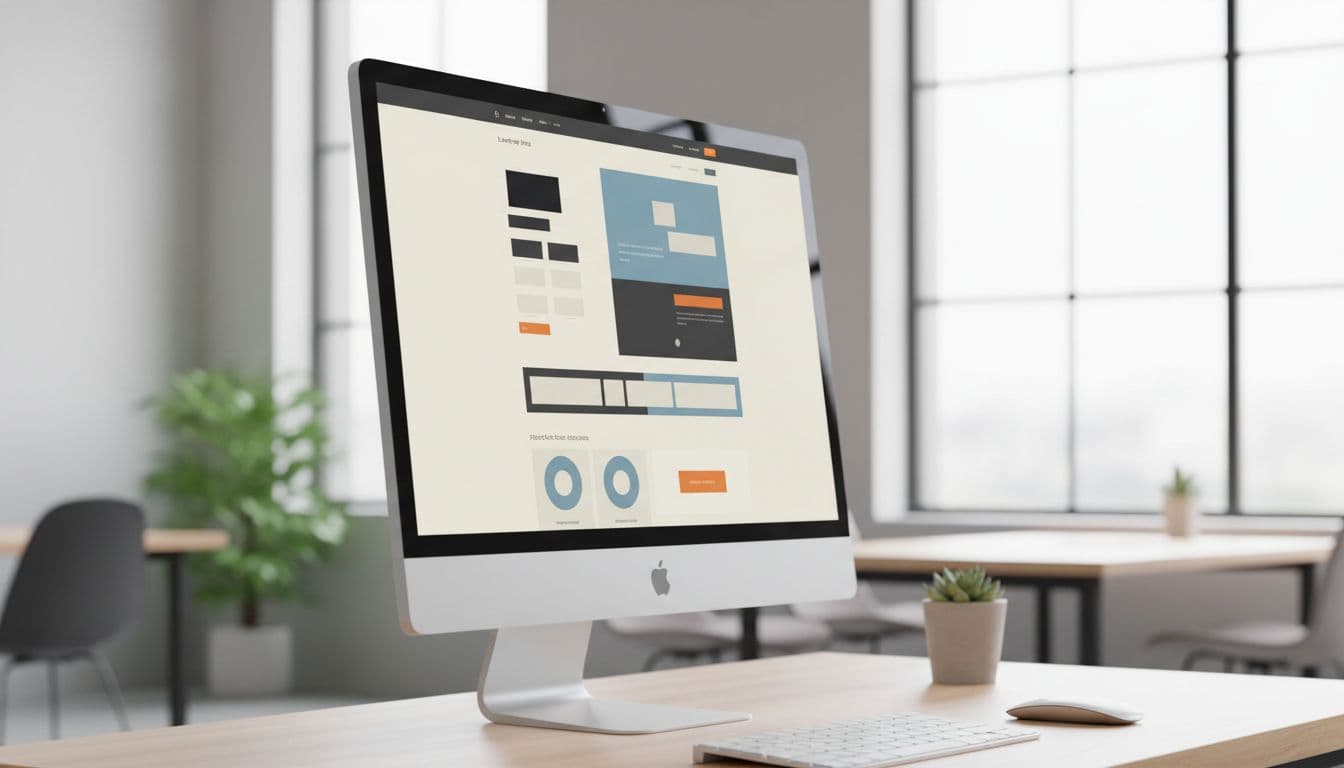
Use this layout as a base:
| Page part | Job | Simple example |
|---|---|---|
| Hero section | State the offer and promise fast | “Get [Offer] plus my bonus pack for a smoother start.” |
| Bonus stack | Show what they receive | “Three setup tools, one checklist, and one action plan.” |
| Proof section | Build trust | “I used this process to cut setup time in half.” |
| Fit section | Explain who it helps | “Best for beginners who want a direct start.” |
| FAQ section | Remove hesitation | “When do I get the bonuses?” |
| Final CTA | Push one clear next step | “Claim your bonus access here.” |
The table keeps the page simple. The buyer should never wonder where to look next. If they have to hunt for the main offer, the page is too busy.
Hero section
Start with one clear headline. It should name the offer, the outcome, or both. Keep the subheadline short and plain. This is not the place for clever copy.
A strong hero usually says three things:
- What the offer is.
- What your bonus helps them do.
- What happens next.
For example: “Get [Course Name] plus my quick-start bonus pack for a faster launch.” That kind of line works because it is specific. It tells the reader what they get without a sales script.
Use one primary button near the top. “Claim my bonus access” or “See the offer and bonus stack” both work. Avoid three different buttons with three different messages. One path is enough.
Bonus stack
The bonus stack should help the buyer use the offer, not distract them from it. Three to five bonuses are usually enough. More than that often feels padded.
The best bonuses cut friction. For a software offer, that might be a setup checklist, a template library, and a troubleshooting guide. For a coaching program, it might be a call prep sheet, a progress tracker, and a summary planner. For a course, a 30-day action plan or lesson map often works better than random PDFs.
If you need a quick build process, a free affiliate marketing website can give you a clean starting point while you focus on the bonus stack and the copy.
Proof and trust
Premium buyers need evidence. They want to know why your recommendation matters and whether your bonus is tied to real use.
Use simple proof. A screenshot of your workflow, a short note about your own result, or a specific explanation of how the bonus helps all work well. You do not need drama. You need clarity.
If you have not used the product long enough to speak honestly about it, say less. A careful recommendation builds more trust than a loud one.
FAQ and final CTA
The FAQ section handles the last doubts. Answer the practical stuff first. When do they get the bonus? How do they claim it? Is it for beginners or advanced users? Does it work with the offer they are buying?
Then close with one final CTA. Repeat the same button text from the hero. That small repeat helps the reader move without thinking twice.
Bonus ideas that feel useful, not padded
The strongest bonuses fix the exact problem the buyer still has after they buy. That is the test. If the bonus does not save time, reduce confusion, or improve execution, it probably belongs in the trash.
A few bonus types work especially well for high-ticket offers:
- Quick-start maps help buyers move on day one. These work for courses and coaching because people often stall after purchase.
- Checklists and setup guides are strong for software, tools, and memberships. They cut the first wave of friction.
- Template packs help buyers skip blank-page syndrome. This is useful for email, ads, funnels, scripts, and SOPs.
- Accountability trackers keep buyers moving. They suit coaching and training offers where action matters.
- Bonus mini-calls or reviews can work if you can deliver them well. They add direct support without overpromising.
You can also match the bonus to the buyer’s skill level. Beginners need more handholding. Experienced buyers want speed and shortcuts. That means the same offer can have different bonus angles for different audiences.
For example, a $997 marketing course could come with a “first 7 days action plan.” A $2,000 coaching program could include a “pre-call worksheet and milestone tracker.” A $79 SaaS offer could include a “setup checklist and workflow cheatsheet.” Each bonus feels useful because it solves a real step in the process.
Random bonuses feel cheap. Useful bonuses feel like part of the product path.
Keep the bonus copy short. Name the result, then explain the benefit in one line. The buyer should understand the value in seconds, not after five paragraphs.
Headline and CTA ideas that fit premium offers
A headline for a high-ticket bonus page should be plain and direct. It can sound polished, but it should never feel inflated. Buyers respond better to a promise they understand right away.
Here are a few headline angles that fit premium offers:
| Angle | Headline example |
|---|---|
| Direct value | Get [Offer] plus my bonus pack for a smoother start |
| Buyer support | The easier way to begin [result], with extra help from my bonus stack |
| Clear fit | For serious buyers who want [offer] with practical support |
| Time saver | Save setup time with [Offer] and my done-for-you bonus tools |
| Trust first | My recommended path for buying [Offer] with added support |
The best CTA lines stay short. Use one consistent phrase across the page, then repeat it at the main decision points.
Good CTA examples include:
- Claim my bonus access
- See the offer and bonus stack
- Join through this page
- Start with this offer
- Get the bonus package
Avoid vague buttons like “Learn more” or “Submit”. Those words drain intent. A premium buyer should know exactly what happens when they click.
You can also add a short line under the button, such as “Bonuses delivered after purchase” or “You’ll get instant instructions by email.” That small detail removes guesswork.
Must-have page elements before you publish
Before the page goes live, check these basics:
- One headline that names the offer and the main benefit.
- One primary CTA that appears near the top and again near the bottom.
- A bonus stack that matches the offer and solves real friction.
- A short explanation of who the offer is for.
- A short explanation of who should skip it.
- Proof that feels real, even if it is simple.
- A clear bonus delivery note.
- Mobile-friendly spacing and fast load time.
- Tracking on every outbound link so you know what converts.
- An email capture step if your funnel supports follow-up.
The most common misses are easy to spot. The page gets too long. The bonuses drift away from the offer. The CTA changes every few sections. Or the copy sounds like it came from a template generator with no real point of view.
A page that respects the reader usually converts better. That means fewer claims, sharper bonuses, and a cleaner path to the click.
Test the page after launch
A bonus page gets better when you treat it like a sales asset, not a one-time post.
Watch the numbers that matter. CTA clicks show interest. Scroll depth shows whether people stay with you. Bonus claim rate shows whether your stack feels worth it. If people leave before the FAQ, the opening is too soft or too long. If they click but do not buy, the offer fit or the proof may be off.
Change one thing at a time. Test the headline first, then the CTA text, then the order of your bonus sections. Small edits often tell you more than a full redesign.
A page tied to one platform also gives cleaner data than a page fed by every traffic source at once. Keep the setup simple at first, then refine what works.
How AI can speed things up without flattening your voice
AI can save a lot of time on bonus pages. Use it to brainstorm bonus names, draft FAQ answers, compare headline angles, or outline your section order. It can also help with image ideas and rough layout notes.
What AI should not do is invent fake proof or write vague praise. That kind of copy weakens trust fast. Use it for speed, then rewrite every line so it sounds like a real person who has used the offer.
Use AI for speed, then edit for truth, fit, and detail.
A practical workflow is simple. Ask AI for five headline options, three bonus stack ideas, and two CTA versions. Then pick the best pieces, tighten the language, and add one specific detail from your own experience.
If you want the traffic side organized too, pair the page with a 30-day affiliate content sprint plan. That keeps your content, page, and follow-up work pointed at the same buyer.
Conclusion
The best bonus pages in 2026 look simple because they are clear, not because they are thin. They match a real offer, give the buyer useful support, and remove the little doubts that slow action.
If you remember one thing, make it this: a bonus page should make the purchase easier, faster, and safer to understand. That is what premium buyers reward.
Keep the page tight, keep the bonuses useful, and keep the promise honest. Those three choices do more than any pile of extra gifts ever will.