
In 2026, an affiliate site can bring in traffic and still miss revenue by a wide margin. The usual cause is a weak affiliate site content ratio, where the mix of how-to pages, reviews, comparisons, and transactional pages doesn’t match how people buy.
Search intent matters more now because Google, AI overviews, and impatient readers all reward pages that answer the right question fast. If your site sends the wrong mix of content to the wrong stage of the journey, the traffic looks healthy on paper and flat in the bank account. The sections below show how to set a mix that fits real search behavior, not old content formulas.
What the content mix really means now
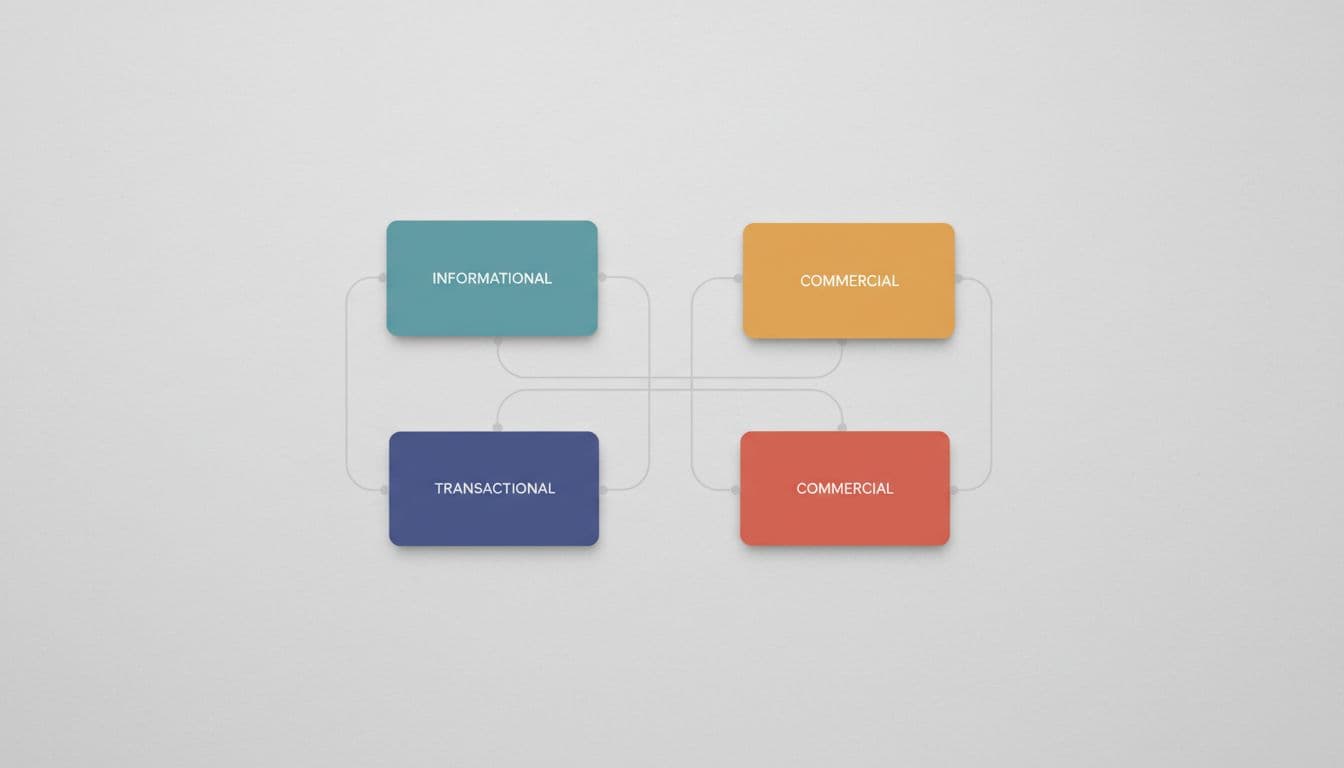
A lot of site owners talk about ratio as if it were a simple percentage split. In practice, it’s closer to a content system. Informational pages teach, solve, or explain. Commercial pages compare, review, or recommend. Transactional pages push readers toward a purchase, sign-up, or next step.
That matters because not every page has the same job. A how-to article can introduce a problem, while a comparison page can narrow choices, and a review page can close the sale. If you count only article totals, you miss the path the reader actually takes.
A better way to think about the ratio is by intent flow. One cluster may lean heavily informational, while another cluster around the same niche may be more commercial. A 70/30 sitewide split can still underperform if the commercial pages sit in the wrong place or the internal links don’t move readers forward.
If you’re still choosing a niche, that decision shapes the ratio from day one. A narrow niche gives you a clearer audience and a cleaner content map, which is why how to choose an affiliate niche matters before you build out the calendar.
Why search intent and topical authority changed the balance
Search intent is sharper now than it was a few years ago. People search with clear goals, such as learning, comparing, or buying. Google also does a better job of grouping those goals, which means a vague article has a harder time ranking well.
That shift makes topical authority more important. A site that covers one subject deeply looks more credible than a site that posts random affiliate topics. It also helps when your pages answer the full question set around a topic, not only the keyword you wanted.
The other change is the rise of AI answers and zero-click results. Basic definitions and generic advice get summarized more often now. That means your informational content needs a stronger purpose. It should either earn trust, earn links, or feed readers toward a decision page.
First-hand experience matters more for the same reason. Pages with screenshots, test notes, product photos, and clear pros and cons are harder to fake. They also give readers something a generic AI summary cannot copy well.
A data-backed ratio study found that many niche sites still sit around a 65% to 75% informational share, with 25% to 35% commercial content. That range is useful as a benchmark, but it isn’t a law. The right mix depends on your niche, trust level, and how much buyer intent exists in search.
A sitewide ratio is a planning tool. A page still has to match the searcher’s intent.
If your niche sits close to money, health, or safety, the informational side usually needs more weight. Readers want proof before they click an affiliate link. That is where trust becomes part of the content strategy, not an afterthought.
Realistic ratio ranges by site stage
A better starting point is the stage of the site. New sites need more education content because they have less authority and fewer backlinks. Mature sites can use a larger share of commercial pages because readers and search engines already trust them more.
Here’s a practical range to work from.
| Site stage | Informational content | Commercial content | Transactional content | What it usually looks like |
|---|---|---|---|---|
| New site, 0 to 6 months | 75% to 85% | 15% to 25% | 0% to 5% | Mostly how-to posts, problem-solving guides, and a few early comparisons |
| Growth site, 6 to 18 months | 60% to 70% | 25% to 35% | 5% to 10% | Strong info clusters plus best-of, review, and comparison pages |
| Authority site, 18 months and up | 55% to 65% | 30% to 40% | 5% to 10% | Deep topic coverage, more decision pages, and stronger conversion paths |
| Trust-sensitive niche | 70% to 80% | 15% to 25% | 0% to 5% | Heavy proof, careful wording, and fewer thin money pages |
The takeaway is simple. Early on, information builds the base. Later, commercial pages can grow faster because the site already has context and trust. In trust-sensitive niches, keep the commercial share lower until your proof is strong.
That also means you should not copy a bigger site’s ratio on day one. A mature affiliate site may carry more comparison pages because its support content already exists. A new site needs more education pages before it asks for clicks.
Build clusters that match buyer intent
The easiest way to turn a ratio into a plan is with clusters. Each cluster should move a reader from curiosity to choice. If you build only standalone posts, the site feels busy but disconnected.
A clean cluster often looks like this:
- One pillar page that explains the core problem or category
- Two or three informational support posts that answer common questions
- Two commercial pages, usually a comparison and a review or best-of post
- One transactional page, such as pricing, signup, or a direct offer page
That mix gives each page a job. The informational posts pull in broad search demand. The commercial pages catch readers when they’re comparing options. The transactional page handles the final step.
For example, a site in the email marketing niche might map like this:
- How email marketing works for beginners
- How to choose an email platform
- Best email tools for small lists
- Email tool A vs email tool B
- Deliverability basics
- Pricing and plan breakdowns
That cluster supports the same audience without repeating itself. It also creates a natural internal link path from learning to choosing.
If you’re still shaping the business model itself, starting an affiliate marketing business helps frame the offer side before you build the content mix. The niche and the buyer journey should guide the ratio, not the other way around.
A similar approach shows up in this 2026 affiliate content strategy playbook, where pages are sorted by intent and conversion job. That’s the part many sites miss. They publish content by calendar, then wonder why revenue lags.
Commercial pages need proof, not padding
Commercial content has a tougher job in 2026. Readers want fast answers, but they also want proof. That means a review page needs more than a summary of features. It needs evidence that the product fits a real use case.
The best commercial pages answer a few plain questions:
- Who is this for?
- Who should skip it?
- What did you test?
- What was better than expected?
- What would make you choose something else?
Those questions sound simple, but they do the heavy lifting. They show judgment. They also make the page more useful than a polished sales pitch.
A page like that can convert well because it feels grounded. Readers trust a page that names trade-offs. They trust it even more when they can see original screenshots, notes from hands-on use, or direct comparisons with another option.
Commercial pages also work better when adjacent informational pages have already warmed the reader up. Someone who read three helpful guides is closer to a decision than someone who landed cold on a review page. That is why ethical link building for affiliate marketers matters too. Strong informational pages can attract links, which helps the whole cluster rank.
The same intent-first logic appears in affiliate marketing content steps for 2026, where search intent and content type are matched before anything else. That order still works because it mirrors how people buy.
How to tell if your mix is working
A sitewide ratio looks neat in a spreadsheet, but performance tells the real story. You want to know whether informational pages are feeding commercial pages, and whether commercial pages are turning attention into clicks or sales.
Track three things first:
- Which page types get the most impressions and clicks
- Which informational pages send readers to money pages
- Which commercial pages earn clicks, leads, or sales
Google Search Console can show you where traffic starts. Analytics can show you where people go next. Affiliate dashboards show you what converts. Put those together, and the ratio becomes a real business signal instead of a theory.
If informational posts get traffic but no movement toward money pages, the issue is usually internal linking or weak next-step prompts. If commercial pages get traffic but low conversion, the page may lack trust, proof, or a clear fit for the search intent.
Refresh timing matters too. Prices change. Product features change. Competitors launch better offers. A commercial page that worked last year can stall if it still reads like last season’s model. Update the page before it becomes stale.
A good rule is to review content by cluster, not just by URL. Ask whether the cluster has enough educational support, enough decision pages, and enough paths to convert. That view tells you more than any single percentage split.
Conclusion
In 2026, the best affiliate site content ratio is the one that matches intent, trust, and buying stage. Early on, informational content should carry most of the load. As the site earns authority, commercial pages can take a bigger share, but only if they have real proof behind them.
The strongest sites don’t publish random posts and hope for clicks. They build clusters that guide readers from problem to choice, then to action. When that balance is right, each page has a job and the site feels useful instead of crowded.