
In affiliate marketing, publishers access merchant offers through an affiliate network or apply directly to a merchant’s affiliate program. The merchant supplies the software used to track referrals and administer commissions.
The practical choice is which partnerships fit your audience, rather than which platform has the longest feature list. Start by separating the merchant’s tools from the services you’ll actually use as a publisher.
Key Takeaways
- Networks can simplify merchant discovery, reporting, and payments, but joining doesn’t guarantee advertiser approval.
- Direct programs can offer closer relationships and negotiated terms, with more separate accounts to manage.
- Most publishers can use both without buying merchant-side software. Compare approved earnings, attribution rules, and administrative workload.
Affiliate software and networks solve different problems
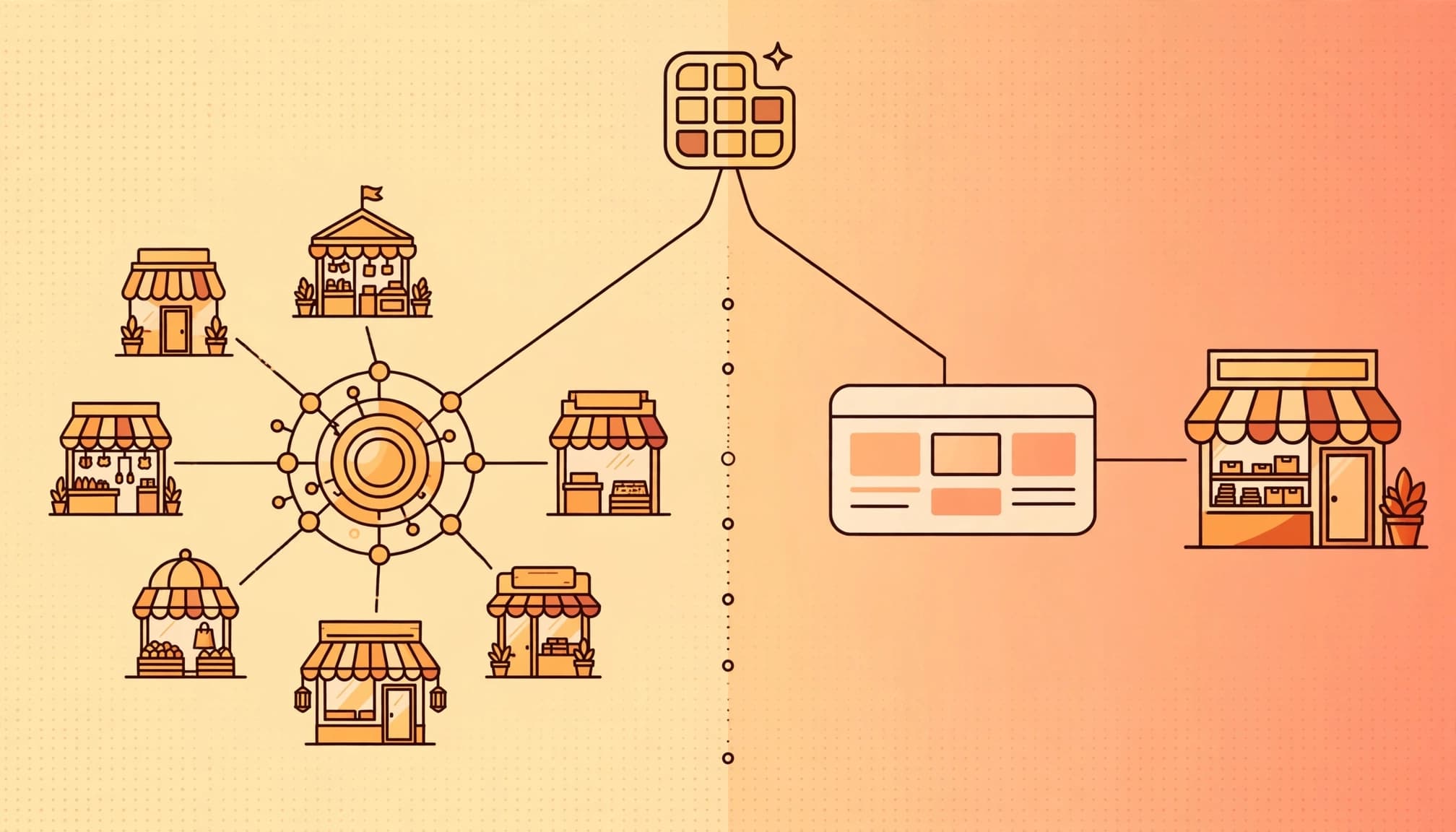
Software runs the merchant’s program
Merchant-side affiliate tracking software records referrals, calculates commissions, manages partners, and supports payouts. The merchant normally buys and configures the affiliate management software for its affiliate program.
As a publisher, you apply through the merchant’s portal, receive tracking links, and view results. A dashboard powered by FirstPromoter, GoAffPro, Post Affiliate Pro, Rewardful, Tapfiliate, or Trackdesk doesn’t mean you need your own subscription.
A white-label portal gives publishers a branded interface. Some tools also support a separate referral program alongside affiliate partnerships.
Direct programs also vary considerably. Amazon Associates is a direct merchant relationship, while a small software company might operate its program through a dedicated affiliate management platform.
Networks connect publishers with multiple merchants
A network combines program infrastructure with access to participating advertisers. Awin, CJ Affiliate, and Rakuten Advertising provide merchant-discovery options; PartnerStack focuses on software partnerships.
You join the network, then apply to individual programs. As Awin’s affiliate marketing FAQ explains, advertisers and publishers participate under the network’s framework.
The boundaries overlap, however. Platforms such as impact.com combine partnership technology with discovery features. Focus on what publishers receive, rather than treating every provider as purely software or purely a network.
Merchant discovery favors networks, niche depth favors direct
Networks reduce the search effort
Networks help when your content covers several brands or product categories. You can browse advertisers and compare offers without finding every merchant’s standalone application page.
However, network membership doesn’t automatically approve you for each advertiser. Applications commonly request your website, audience information, and promotional methods. An established, focused publishing channel gives merchants more useful information than an empty homepage.
Our comparison of beginner-friendly affiliate networks matches different network options with content types. Effective affiliate marketing starts with offers that fit your niche, not a collection of accounts.
Direct programs can fill important gaps
Specialist publishers may find their strongest offers outside broad directories. A software tutorial site, for example, needs programs for the products its readers use, whether those programs sit inside a network or elsewhere. PartnerStack may be one source of relevant software offers, but audience fit matters more than the platform.
Direct relationships can also make conversations about exclusive codes, content support, or commission increases easier. Those benefits depend on merchant policy and your results.
The trade-off is administration. Each additional direct program can mean another login, payment arrangement, approval process, and set of promotional restrictions. Add programs because they improve coverage or earnings, rather than to lengthen your shortlist.
Tracking quality matters more than the platform label
Separate conversion recording from commission attribution
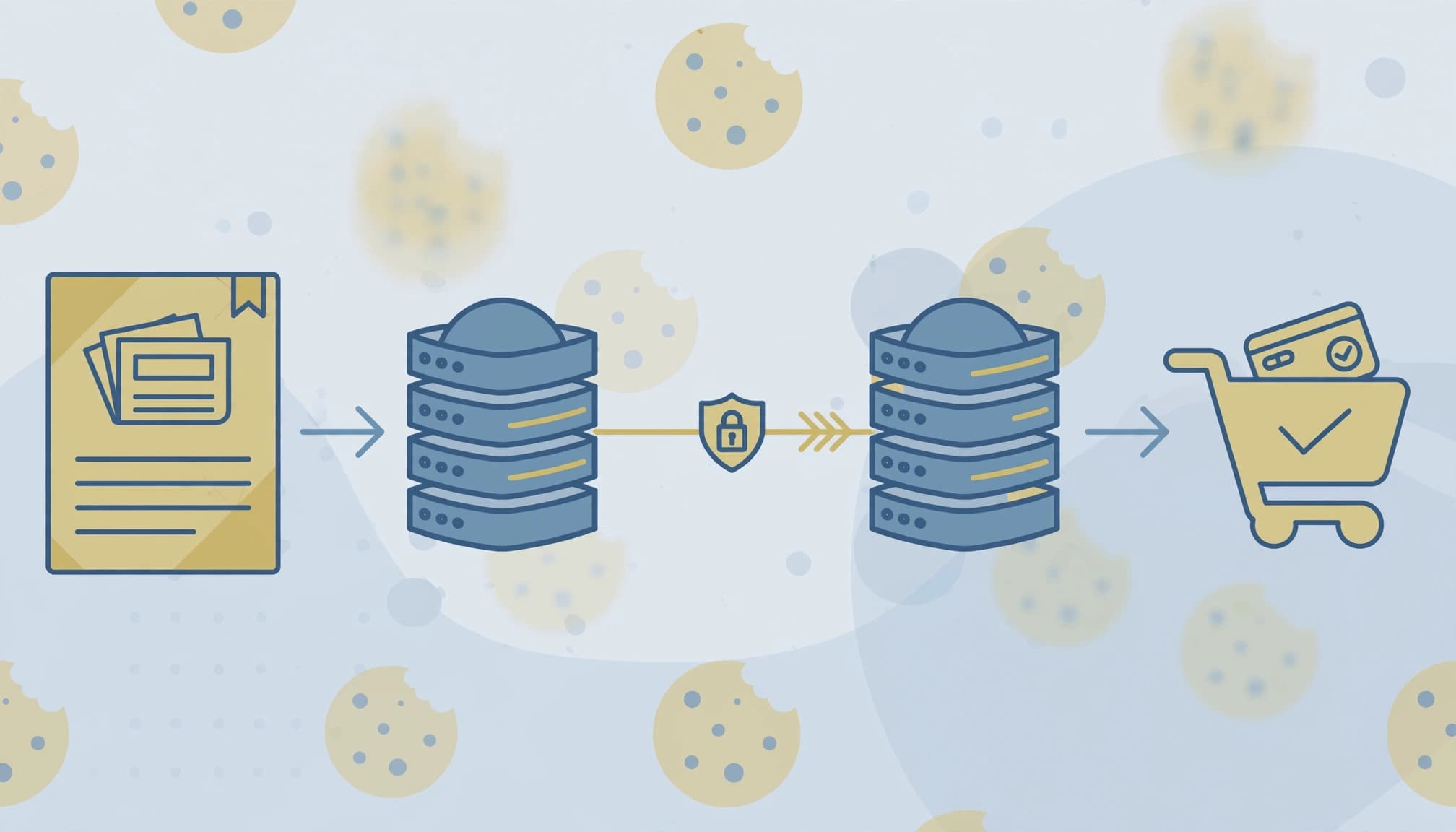
Affiliate tracking software records activity, while attribution determines which eligible referral receives credit. These related functions are distinct, as impact.com’s affiliate tracking basics for publishers explains.
A merchant can record a purchase correctly while assigning its commission to another partner. Under last-click rules, coupon tracking may give a later eligible coupon-site referral credit, even when your guide introduced the buyer.
A cookie window sets an eligibility deadline. Attribution rules decide which eligible referral receives credit.
Neither a network nor a direct portal automatically protects the publisher who influenced the purchase first.
Prefer dependable reporting over tracking promises
Browser-based methods depend on how the merchant implements scripts and referral storage. First-party tracking also depends on the merchant’s setup. Server-to-server postbacks send conversion information directly to the tracking platform.
Awin’s explanation of server-to-server tracking describes how S2S postback tracking reduces browser dependencies. Reliable reporting still requires a functioning integration and usable referral identifiers.
For your own reporting, use supported subIDs to distinguish articles and placements. Never include personal or sensitive reader information. Use an affiliate tracker to compare outbound clicks with reported transactions, approval statuses, and reversals. Your affiliate tracker may show real-time analytics, but reconcile the figures with approved conversions and reversals, and use fraud detection checks to review suspicious transactions.
Payments and revenue depend on approved conversions
Networks can simplify administration, but terms still vary
A network may consolidate reporting and eligible payments across merchants. That can reduce bookkeeping compared with managing several direct programs.
However, pending commission isn’t cash received. Advertiser approval, refund periods, payment thresholds, and account requirements can delay affiliate payouts. Direct programs have their own schedules and supported payment methods.
Keep a record of each merchant’s qualifying action, commission structure, approval process, threshold, and payment schedule. For subscription offers, record whether a recurring commission lasts for a fixed period or throughout the eligible subscription.
Our explanation of when affiliate commissions get paid separates referral activity from payable earnings.
Compare earnings per click, reversals, and workload
A direct program doesn’t automatically pay more because a network is absent. Merchants set commission terms, and network costs don’t translate directly into a publisher’s rate.
Compare approved commission divided by tracked outbound clicks to calculate your own earnings per click. Use comparable traffic sources and allow the relevant approval periods to finish.
Also record reversals and administration time. Fraud detection, screening, bot filtering, and duplicate-order protection can affect which transactions qualify. Transparent status explanations make reconciliation easier.
Finally, watch concentration. Several programs inside one account may still leave most of your income dependent on one merchant. Diversification requires genuinely useful alternatives, not simply more dashboards.
Software costs usually belong to the merchant
Buying affiliate software makes sense when you sell your own product and recruit publishers. It doesn’t automatically secure partnerships for your content business.
These merchant-side options illustrate why the distinction matters. Paid prices below use monthly billing.
| Software | Starting plan | Main fit or limitation |
|---|---|---|
| Partnero | $59/month | Flat-fee subscription; managed payouts cost extra |
| FirstPromoter | $49/month | Up to $5,000 in monthly affiliate-generated revenue |
| Tapfiliate | $89/month | Launch caps clicks, conversions, and affiliates |
| Trackdesk | $299/month | Launch supports up to $50,000 in monthly tracked revenue |
| GoAffPro | Free Hobby plan | Unlimited affiliates, referrals, and revenue |
| UpPromote | Free plan | Shopify-focused; $3,000 monthly referral-review allowance |
| Systeme.io | Free plan | Affiliate management, one product, and 2,000 contacts |
For a broader comparison, review Post Affiliate Pro and Rewardful alongside Tapfiliate and Trackdesk, then check each provider’s current plan limits.
Before choosing, verify that a tool supports your payment or store setup, such as Stripe integration, Shopify integration, or WooCommerce integration.
Check whether a provider offers a free trial, and confirm which plan limits and features it includes. For FirstPromoter, check whether a free trial includes the reporting tools and caps you need. Use the free trial to test the reporting and payout workflow before committing.
For publishers promoting someone else’s products, these are normally the merchant’s operating costs.
Flat-fee pricing doesn’t automatically increase with affiliate revenue, while revenue-share pricing does. Revenue-banded subscriptions can also require upgrades. FirstPromoter lists $99/month up to $15,000 in affiliate-generated revenue and $149/month for Enterprise. Compare FirstPromoter’s revenue bands with your expected volume before choosing a tier.
Partnero advises modelling costs at five times existing affiliate revenue before committing. Its managed payouts add a 7% processing fee, so a flat subscription doesn’t mean every cost is fixed.
If you eventually launch your own program, also budget for recruitment, integration work, fraud review, and payout administration. A unified affiliate and customer-referral tool may reduce duplicate systems, but only when its reward rules fit both activities.
Choose by niche, size, and operational workload
Your niche and operational capacity matter more than a universal traffic threshold when choosing an affiliate marketing model. A small specialist newsletter may benefit from direct relationships, while a larger shopping site may need broad merchant coverage.
Use this framework to narrow the choice.
| Publisher situation | Sensible starting model | Main reason |
|---|---|---|
| New, focused blog with limited administration time | One relevant network | Easier discovery and fewer systems to learn |
| Software reviewer or specialist creator | Direct programs plus PartnerStack or impact.com | Coverage of the tools your readers need |
| Established multi-category publication | Networks plus selected direct programs | Broad coverage with room for negotiated relationships |
| Publisher selling a course, subscription, or product | Merchant-side software for its own program | Recruit and pay other publishers separately |
The strongest setup is often a manageable mix, rather than an exclusive commitment to either model.
Before promoting a new offer, record its attribution rules, eligible products, reversals, payment terms, and prohibited placements. Then use supported tracking labels and confirm that links reach the intended destination without losing parameters.
Keep affiliate relationships visible near recommendations. The FTC’s endorsement guidance covers disclosure responsibilities, while our affiliate disclosure examples provide practical wording.
Add another program when it fills a reader need or improves measured results. That keeps content quality and bookkeeping manageable as your business grows.
FAQ
Do publishers need to pay for affiliate software?
Usually, no. The merchant normally pays for the system that runs its program. Publishers use the provided portal and tracking links.
Your own spending may include website tools, content production, analytics, or permitted promotion. Those costs are separate from buying software to recruit and manage affiliates for a product you sell.
Can I promote one merchant through multiple platforms?
Only when the merchant’s agreements permit those relationships and placements. Access through two platforms doesn’t mean the same transaction produces two commissions.
Keep links and reporting identifiers distinct. If a merchant changes platforms, preserve historical reports and replace affected links deliberately. Otherwise, old content may continue sending traffic through an inactive tracking arrangement.
Build around offers, not platform subscriptions
For most publishers, networks provide discovery and administrative convenience. Direct programs provide additional merchant access and opportunities for closer relationships.
Neither model guarantees higher earnings. Your strongest comparison is approved revenue against effort, supported by understandable attribution and payment rules.
Start with a small set of relevant partnerships. Expand when your reporting shows which offers deserve more content and attention.