
Most affiliate posts ask for the click too soon. Readers land, scan, and still can’t tell if the product fits their budget, skill level, or goal.
A clear affiliate who is this for section fixes that fast. It helps the right people move forward, and it gives everyone else a fair reason to skip. That simple filter often lifts clicks because it lowers doubt.
Why this small section pulls more clicks
A good “Who Is This For” block is not fluff. It is a sorting tool.
When readers see themselves in the copy, they relax. They no longer have to decode whether your recommendation is for a first-time blogger, a busy freelancer, or a team with a bigger budget. That saves mental effort, and saved effort often becomes a click.
It also builds trust because it excludes people. If you say who should skip the offer, your recommendation sounds less like a pitch and more like a real suggestion.
The strongest sections do one job well: they help readers self-qualify in seconds.
This matters most in reviews, comparisons, and beginner guides. Those formats attract mixed intent. Some visitors want the cheapest option. Others want speed, support, or better features. If your copy speaks to everyone, it lands on no one.
A simple framework for an affiliate who is this for section
Place this section near the top, usually after your quick verdict and before the first strong call to action. That way, the reader gets context before the click.
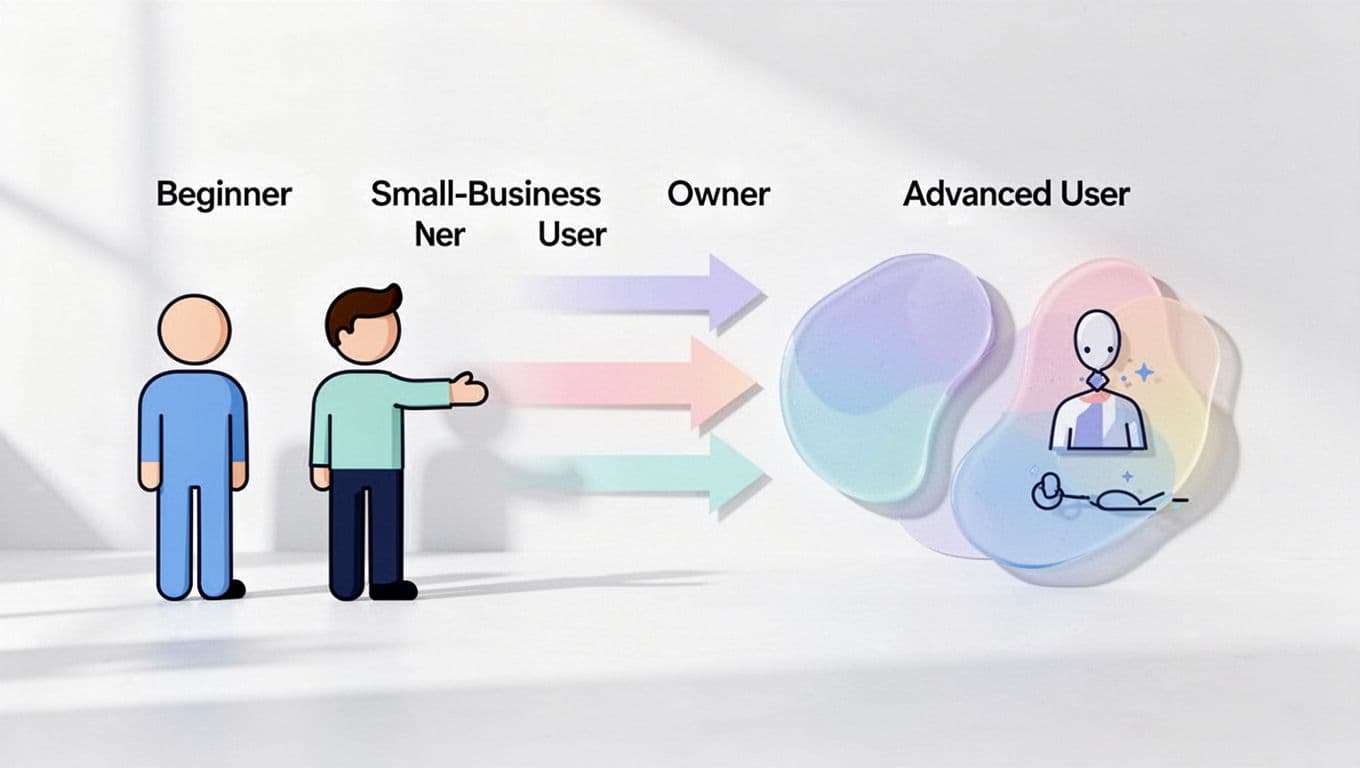
Use this quick structure:
| Element | What to include | Example |
|---|---|---|
| Reader type | Name the segment | solo bloggers, lean teams |
| Main goal | Show the desired result | launch faster, compare tools |
| Main limit | Mention the constraint | low budget, no tech skills |
| Honest skip note | Say who should pass | advanced users needing deep customization |
Keep the copy tight. Three to five lines is often enough.
A strong version sounds like this: “Best for solo site owners who want a simple setup, need clear training, and don’t want to patch together five tools. Skip it if you already have a full stack and only need one small feature.”
That works because it matches product fit to reader intent. If you already segment offers by price, this guide to budget-matched affiliate offers pairs well with that process.
Before-and-after examples that feel more trustworthy
Generic copy sounds safe, but it creates friction. Specific copy gets more clicks because it helps the reader decide.
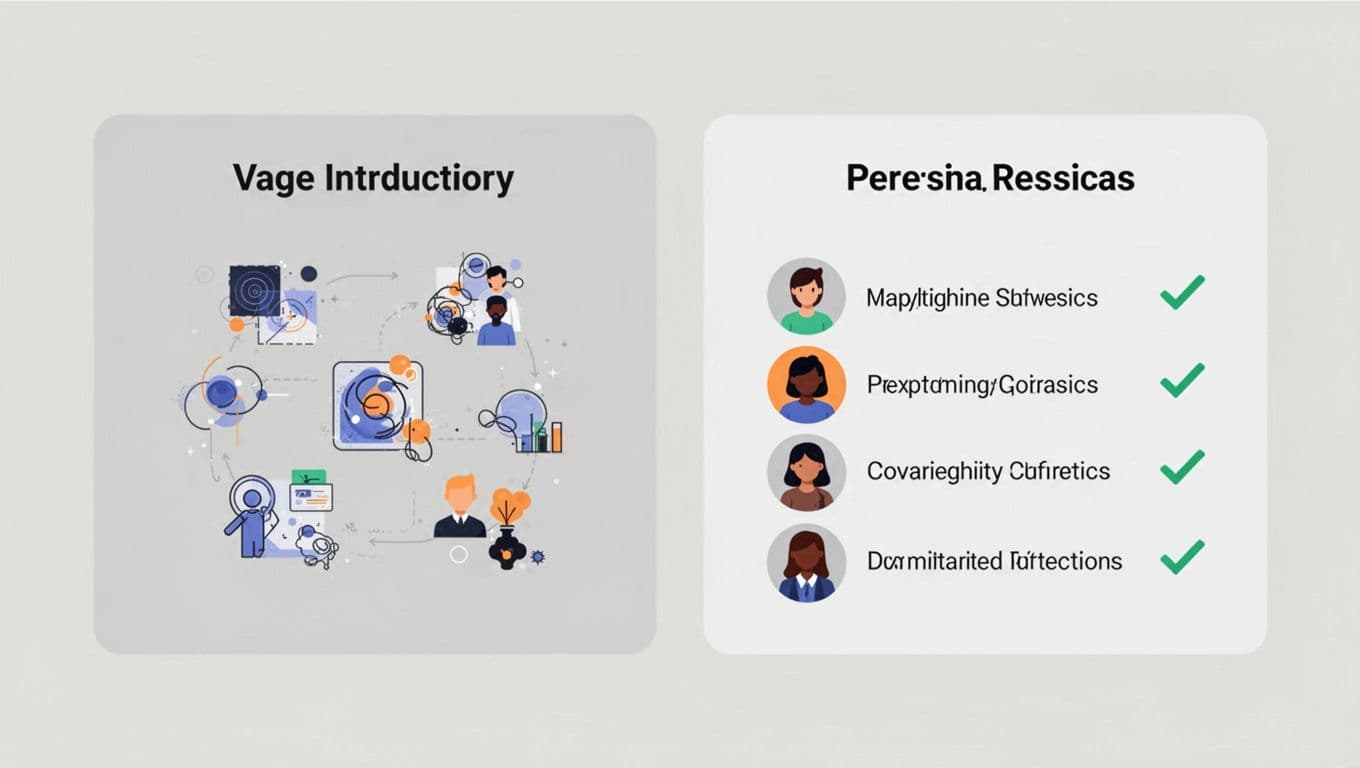
Software review example
Weak copy
“Great for marketers, founders, and businesses of all sizes.”
Better copy
“This tool fits solo marketers and small teams that want built-in reports and easy setup. It’s a poor fit for large teams that need custom workflows or advanced permissions.”
Why it works: the reader sees the fit and the trade-off right away.
Product comparison example
Weak copy
“Both tools are solid options depending on your needs.”
Better copy
“Choose Tool A if you want the lowest monthly cost and simple setup. Choose Tool B if you need better automation and can justify a higher price after the first month.”
Why it works: it turns a vague choice into a clear split based on intent.
Beginner guide example
Weak copy
“This is a good place to start if you’re new.”
Better copy
“This is for beginners who want step-by-step help, simple terms, and a fast first win. Skip this guide if you already know keyword research, funnels, and tracking.”
Why it works: beginner content converts better when it protects the reader from the wrong next step.
If you want these sections to hit harder, add small proof nearby. A short note, screenshot, or test result helps readers trust the fit. These proof blocks for affiliate posts make that easier without turning the page into a wall of images.
Swipeable templates and placement tips
You don’t need clever writing. You need clean pattern matching.
Use one of these templates and adapt it to the offer:
- “This is best for [reader segment] who want [result] without [pain point].”
- “You’ll like this if you need [benefit], have [constraint], and prefer [style of tool or support].”
- “Skip this if you already have [advanced setup] or need [missing feature].”
A few rules keep the section honest and clickable:
- Put it above buttons and comparison tables when possible.
- Name one drawback, because trust beats hype.
- Match the language to the article intent. Reviews need fit. Comparisons need trade-offs. Beginner guides need reassurance.
- Keep your disclosure nearby and plain. These copyable affiliate disclosures help you do that without killing momentum.
Test this section like any other high-value block. Watch outbound click-through rate, not only page traffic. If clicks stay flat, the problem is often weak fit language, not weak traffic.
Readers click sooner when they feel understood. That is the real job of an affiliate who is this for section.
Be specific enough to attract the right reader and clear enough to turn away the wrong one. Fit is what moves the click, not louder copy.