
Initial account access lets you create Amazon affiliate links, but it doesn’t mean you’ve passed approval. The U.S. review depends on a suitable publishing platform and qualifying sales, so applying before your site is ready can waste your initial sales period.
This guide covers the Amazon.com program in the United States. Original content and transparent disclosures are core expectations, but payment terms and numerical requirements can differ by country.
Start with the website Amazon’s reviewer will see.
Key Takeaways
- In the U.S., Amazon reviews Amazon Associates applications after at least three qualifying sales within the first 180 days, but this doesn’t guarantee approval.
- Amazon recommends at least 10 original posts as guidance, not a guarantee of acceptance.
- Established, public social profiles may qualify without a website.
- Link access, completed tax information, and sales activity don’t replace a successful content and policy review. Commission rates vary by category and marketplace.
Prepare a Website Amazon Can Review
Publish substantial, original content
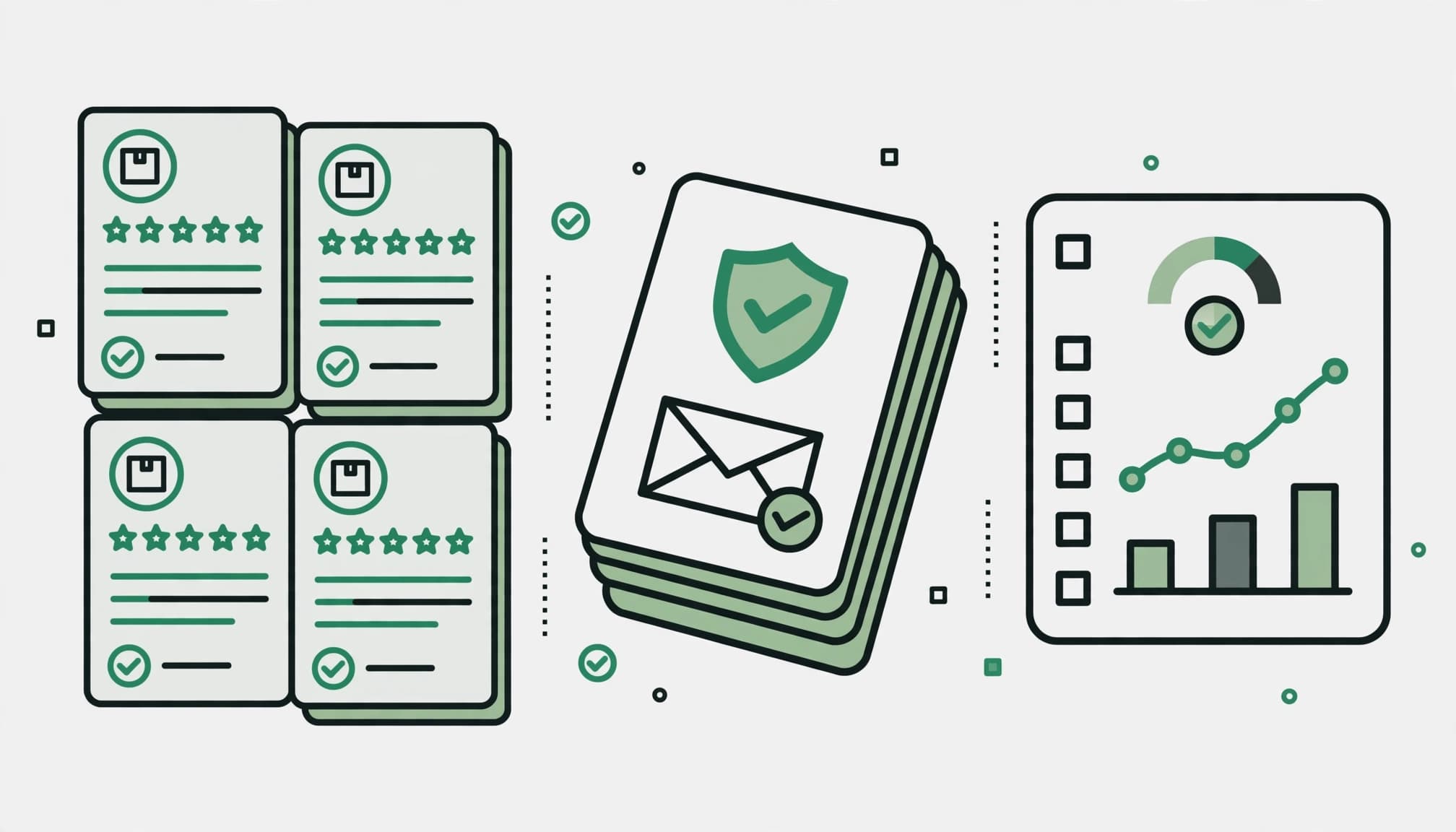
Amazon’s application review guidance calls for robust original content. It recommends at least 10 posts as a rule of thumb and says website content should generally be published within the last 60 days.
Ten short product summaries copied from manufacturers won’t show the same value as helpful comparisons and buying advice. Explain product differences, limitations, and who each recommendation suits. If you haven’t tested something, don’t imply firsthand experience.
Your site must be public and accessible for review. A free domain alone neither proves eligibility nor disqualifies your site. Remove password barriers, unfinished pages, and broken navigation. About and contact pages help readers understand the publisher, but they don’t replace substantive content.
Our guide to preparing for affiliate program approval covers how related posts can make a small site feel complete.
Use an eligible social profile if needed
A website isn’t the only route. Amazon’s U.S. review guidance accepts Facebook, Instagram, X/Twitter, YouTube, TikTok, and Twitch.tv.
The profile must be public and established. Amazon generally expects at least 500 organic followers or likes for social applications. Facebook personal profiles aren’t the same as qualifying public pages or groups.
List the exact profile URL, not the platform’s homepage. Its posts should show useful material and genuine audience activity. A newly opened YouTube channel with no published videos doesn’t establish a useful publishing platform.
Apply With the Properties You Actually Use
Enroll in the Amazon Associates program for the marketplace you plan to promote. Amazon.com is the U.S. program; each other country’s program has its own enrollment and payment arrangements.
Follow this sequence:
- Sign in with the Amazon account you want associated with your affiliate activity.
- List every website, social profile, or eligible application where your links will appear. If you use a free domain, submit its precise public URL, not the platform homepage.
- Complete the enrollment prompts accurately and submit your application.
- Use Associates Central, Amazon’s account portal, to access link tools when available. Create tracking links for your listed properties with SiteStripe when available, then add the required disclosures.
Include every property you plan to use. A reviewer needs to reach the actual pages carrying your recommendations, so an incorrect URL can undermine an otherwise suitable application.
Keep the list accurate when your publishing channels change. Authorization for website promotion doesn’t automatically cover every other marketing method.
Tool access doesn’t mean your site passed content review. If current U.S. enrollment materials use the term conditional approval, it’s preliminary, not final acceptance or a guarantee.
Understand the Amazon Associates Approval Timeline
Generate three qualifying sales within 180 days
For the U.S. program, you have 180 days from signup to generate at least three qualifying sales before Amazon reviews your application.
These must come from legitimate customer purchases. Your own orders don’t count, and purchases by friends, relatives, or close acquaintances aren’t a valid shortcut. Don’t organize purchases to manufacture eligibility.
Amazon counts qualifying purchases only when they meet its rules, including shipment or delivery and payment. Canceled, returned, or refunded purchases can be excluded.
Publish detailed reviews and comparisons that help readers choose products and attract shoppers ready to buy. Three sales trigger review, but approval isn’t assured, and Amazon’s published rules don’t identify “conditional approval” as an official status. You can call the 180-day window a trial period informally, but Amazon defines it as a qualifying period, not a guaranteed path to acceptance.
Separate the sales period from decision time
The enrollment date and review date are separate milestones. Amazon doesn’t necessarily start its full application review immediately after signup.
According to its review timing explanation, Amazon evaluates the application within a day or two after you reach the threshold and sends a decision. Access to Associates Central doesn’t confirm a final decision.
Your platform’s audience determines how quickly you reach the threshold. A site without an audience can take much longer to reach review than an established channel.
Add Both Required Layers of Disclosure
Display Amazon’s required identification statement
Amazon’s U.S. Associates Program requires Associates to identify their participation clearly and prominently with this exact statement:
As an Amazon Associate I earn from qualifying purchases
Use the exact wording instead of a vague reference to partnerships. Place it where readers can readily notice it, such as near the beginning of posts with Amazon recommendations.
A policy page can provide more detail, but it can’t be your only visible notice. Readers shouldn’t have to search a footer to understand your financial relationship.
Keep the text readable on mobile. Small, low-contrast wording or a collapsed section can hide information readers should see. Amazon’s required statement is separate from any country-specific legal notice that may also apply.
Disclose the relationship near recommendations
The Associate identification statement doesn’t replace a clear notice near affiliate links or reviews.
Amazon’s link disclosure guidance gives examples such as “(paid link)”, “#ad”, and “#CommissionsEarned”. Make the financial relationship clear before readers act.
Plain language also works: “If you buy through these links, I may earn a commission.” Put this affiliate disclosure before readers reach affiliate links and near recommendation boxes when needed. Links created with SiteStripe need the same clear wording.
Avoid wording such as “links are for your convenience”, which doesn’t explain payment. Our affiliate disclosure examples offer practical wording you can adapt while retaining Amazon’s required statement.
Create Links Without Copying Amazon Content
Start with SiteStripe
SiteStripe is Amazon’s toolbar for creating Amazon affiliate links while browsing product pages. Use its text-link tool to send readers to the product your recommendation describes.
The destination matters. A button naming one product should open that product’s page rather than leave readers searching through unrelated listings.
Keep your editorial work separate from Amazon’s content. Write your own explanations instead of copying customer reviews. Don’t fabricate quotations, ratings, or testing observations.
Treat API access as a separate eligibility step
An Associates account doesn’t automatically provide access to every product-data tool.
Amazon’s Product Advertising API and Creators API have separate eligibility requirements, which can vary by marketplace. Check your marketplace’s current documentation before building around either tool.
The Product Advertising API has its own access rules. Beginners can start with text links rather than building a site around API access they haven’t earned.
If you later use product data, its display and licensing rules still apply.
Avoid Common Application Rejection Problems
A website can meet the sales threshold and still face issues during Amazon Associates approval. Reviewers also consider content quality, public access, and policy compliance.
Thin content can make a site harder to assess. Pages that repeat product descriptions without explaining tradeoffs offer little original content. An unfinished theme, empty categories, or inaccessible posts can also make the site difficult to evaluate.
Your recommendations must be honest. Don’t describe untested products as personally tested or present invented customer testimonials as genuine reviews. Don’t promise fixed commission rates, which can vary by category and marketplace.
Promotion methods matter too. The U.S. Operating Agreement explains where Special Links can appear, and Amazon restricts them in email and offline material. Permission for your website doesn’t automatically cover newsletters or printed flyers.
Display disclosures before readers click. A hidden notice isn’t effective just because it exists somewhere on the site.
Our guide to affiliate link rules for reviews covers transparent placement and honest calls to action. Build these habits into your publishing process rather than saving them for application day.
Understand Tracking and U.S. Payment Terms
The 24-hour session has important limits
The standard referral session, sometimes informally called a cookie window, ends at the earliest of 24 hours, the customer placing an order, or clicking another Associate’s Special Link.
An eligible item added to the cart during that session may count toward qualifying purchases if ordered within 89 days of the original click, subject to other requirements.
The cookie window is informal shorthand for Amazon’s referral session and its eligible cart-item exception, not a guarantee that every later purchase will qualify.
Amazon’s Associates Program Policies explain exclusions and qualifying-purchase conditions. An item that is ordered but never shipped and paid for doesn’t produce earned commission.
Payments arrive later than orders
U.S. commissions are paid about 60 days after the end of the month in which they were earned. Amazon needs your tax information before making payments.
These are the U.S. payment thresholds:
| Payment method | Minimum balance |
|---|---|
| Direct deposit | $10 |
| Amazon.com gift certificate | $10 |
| Check | $100 |
Both $10 options have a lower threshold than checks, including the gift certificate.
Amazon’s payment timing guidance explains that monthly payments depend on reaching the minimum balance. A recorded order, an earned commission, and a payment are separate events.
Commission rates vary by product category and marketplace. Don’t assume every referred sale pays the same percentage, and don’t budget around revenue that returns or cancellations may remove.
Frequently Asked Questions
Are 10 posts enough to guarantee acceptance?
No. Reaching ten posts doesn’t guarantee Amazon Associates approval. Ten posts are Amazon’s rule of thumb for substantial content, but reviewers also assess originality, public access, and policy compliance.
A useful comparison that explains meaningful product differences gives readers more value than a thin summary with only a description and purchase button. Focus on information readers can use.
Can I qualify through YouTube without a blog?
Yes. YouTube is among the social platforms accepted in Amazon’s U.S. application guidance.
Your channel must be public, established, and built around original content for a suitable audience. Amazon generally expects at least 500 organic subscribers for social applications. You still need qualifying sales, compliant disclosures, and content that meets review requirements. A channel doesn’t bypass them.
Apply When Your Platform Is Ready
Amazon Associates reviews your application after qualifying customer purchases, but meeting the sales threshold doesn’t guarantee approval. Your platform and promotion must also meet its requirements.
Build your content library and disclosure system before starting the 180-day period. Then use permitted links to help real readers make informed purchases.
A website that already helps its audience gives you a stronger foundation for review and future earnings.