
Yes, you can use mobile app affiliate links when the app store and affiliate program permit the placement. You also need to disclose your commission relationship clearly.
Affiliate marketing can mean referring app users to another merchant, while paying partners to acquire users for your own app is a separate model. Start with permission and product type, because a referral link doesn’t bypass digital-purchase rules.
Key Takeaways
- Affiliate links can monetize relevant recommendations, but don’t replace required in-app billing.
- Website approval doesn’t automatically authorize mobile-app promotion.
- Measure approved commissions, not clicks or pending earnings.
Follow App Store, Network, and Disclosure Rules
Separate referrals from in-app purchases
Affiliate links pay for eligible referrals. In-app purchases sell digital features or content, while advertising generally pays for impressions, clicks, or actions.
Links to physical products, such as books or headphones, differ from links selling digital functionality used inside your app.
Apple’s App Review Guidelines permit external purchase calls to action in the US storefront. Other storefronts have different restrictions and exceptions. The Google Play Store generally requires Google Play Billing for in-app digital purchases unless an exception applies.
Affiliate commissions don’t exempt an app from billing rules. Google Play also prohibits apps whose primary purpose is driving affiliate traffic.
Obtain placement approval and disclose commissions
Register your app as a promotional property with the merchant. Membership in an affiliate network alone doesn’t approve every advertiser, channel, redirect, or paid campaign.
Place disclosure beside recommendations, before users tap. Suggested wording: “We may earn a commission if you buy through these links.”
The FTC’s endorsement guidance requires clear disclosure of relevant financial relationships. A settings-only notice leaves users uninformed. Follow any additional program wording, too.
Set Up Mobile App Affiliate Links
Step 1: Choose the destination and conversion
For merchant referrals, generate an approved product-specific link through the program dashboard. Send users to the recommended item, rather than a general store homepage.
For your own user acquisition program, define the payable action. Under CPA (Cost-Per-Action), advertisers pay publishers for qualifying actions, sometimes only revenue-generating purchases. Advertisers are app developers; affiliate partners connect them with publishers, who promote through websites, social media, and apps.
Step 2: Configure platform-specific links
Android App Links require intent filters in AndroidManifest.xml, with android:autoVerify="true". Host a Digital Asset Links file at /.well-known/assetlinks.json containing the package name and SHA-256 signing-certificate fingerprint. Google’s website association documentation explains this verification.
On iOS, Universal Links use Associated Domains and an apple-app-site-association file. These configurations route verified links into installed apps; they don’t independently preserve attribution through installation.
Step 3: Preserve attribution through installation
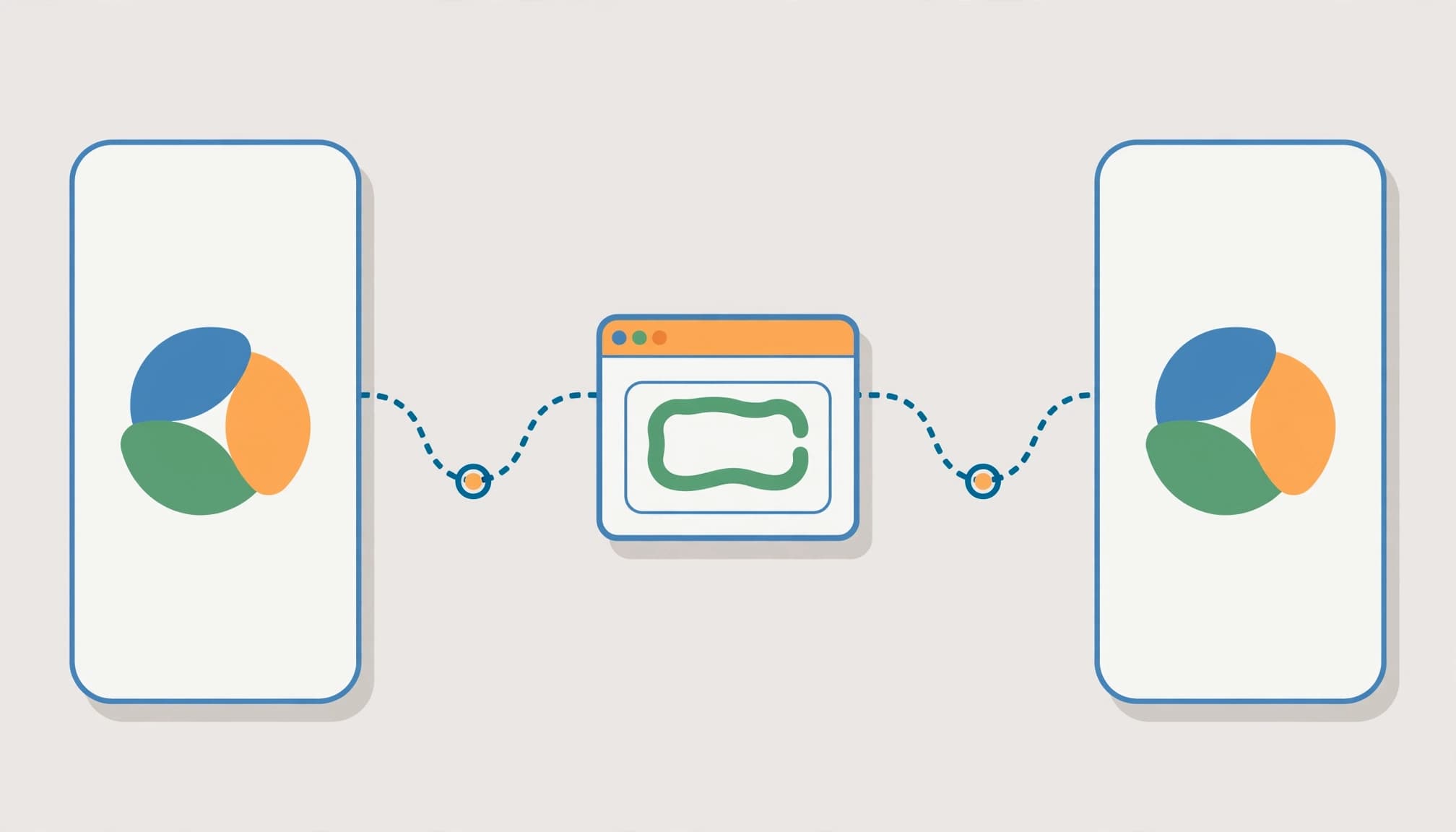
Create a campaign link for affiliate tracking that carries the publisher identifier and intended destination. For app installs, deferred deep linking connects a referral to the first app launch after installation.
Insert Affiliate documents deep linking and deferred attribution through Google Play installs. MMP integrations, such as AppsFlyer, Adjust, and Singular, typically send install and conversion data to tracking platforms through automated event postbacks.
Step 4: Test destinations and credited events
Test installed and uninstalled journeys on Samsung, Xiaomi, OnePlus, and Pixel devices. Manufacturer software and verification failures can produce an “Open with” disambiguation dialog.
Use supported SubIDs without personal information, and use fraud detection to flag duplicate or abnormal event patterns. Our affiliate link tracking guide explains placement labels. Also reconcile credited events, refunds, and approved commissions.
Compare Tracking Platforms Without Buying the Pitch
Publishers normally use the merchant’s portal; running your own program requires different infrastructure.
One Reddit comparison described Everflow as robust but pricey, Affise as cheaper with rough integrations, and RedTrack as cheaper with a weaker pitch. Those are individual impressions, not measured rankings.
Compare tools using your own verified conversion rate and ROI data, along with integration quality.
impact.com reports 250,000-plus opt-in publishers and $100 billion-plus gross transaction volume. Its Rosetta Stone case study claims 87% revenue growth and $120,000 in first-year savings. These are vendor-reported results.
Also require visibility into publisher placements. Opaque affiliate-network traffic creates reputational risk when promotions appear beside unsuitable content.
Calculate Commissions After Platform Charges
A mobile affiliate program is a performance-based model with commission rates based on a percentage of net revenue, often 20% to 30%. Other options are flat payments per conversion or recurring commissions on eligible renewals.
Google’s published service-fee schedule distinguishes markets, install status, and programs. For the US, UK, and EEA, its June 30, 2026 schedule lists 20% service fees for standard non-subscription transactions involving new installs and 10% for subscriptions. An applicable 5% billing fee is separate from the platform service fee.
The enrolled small-developer tier charges 15% on the first $1 million where that schedule applies. Google’s revised market tables have separate first-million treatment. Google says 99% of fee-subject developers are eligible for 15% or less through its programs.
For illustration, a $100 payment with a 15% total platform charge leaves $85. Affiliate commissions at 25% of that net amount cost $21.25, leaving $63.75 before other expenses.
Paying 25% of gross instead costs $25. That difference can erase a thin margin. Define refunds, taxes, and other deductions in the agreement.
Frequently Asked Questions
Can an affiliate link open inside a WebView?
Only when the merchant and platform permit that implementation. Browser restrictions or lost tracking parameters can prevent attribution even when the destination loads.
Are pending commissions available income?
No. Refunds, rejected actions, approval periods, and payout thresholds can delay or reverse payment. Assess profitability using approved earnings after promotion costs.
Build Around Useful Recommendations
Affiliate marketing works when permitted affiliate links help users complete a relevant task. Clear disclosures and reliable attribution protect the relationship.
Start with one approved offer and a tested purchase journey. Expand when approved earnings justify the effort, without turning the app into a collection of referral buttons.