
A contact page can do one of two things. It can make a reader feel safe, or it can make them wonder if the site is real. For affiliate sites in 2026, that feeling matters more than ever because readers want speed, privacy, and plain talk.
When people see clear ownership, a short form, and a fast reply promise, they relax. When they can’t find those things, they leave without sending a message. The right affiliate contact page template fixes that problem without adding clutter.
Why trust matters on an affiliate contact page in 2026
Affiliate sites sell trust before they sell clicks. A reader might want help with a product, a correction, or a partnership. Brands are also checking whether you look organized enough to work with.
That means your page has to answer three silent questions fast: who runs this site, how long will you take to reply, and what happens to my data? Keep the language plain and the form short. If your page includes monetized links, keep your disclosure easy to spot and consistent with current FTC guidance on affiliate relationships. For a solid reference on disclosure language, see FTC disclosure rules for affiliates. A clean layout helps too, and contact page design best practices for small businesses show why fewer fields usually win.
Also, keep the page light. Long forms feel like work, and slow pages feel careless. A simple structure lowers the effort to reach out.

Ready-to-use affiliate contact page template
Use this structure first, then replace the bracketed details with your own.
| Page element | Suggested copy |
|---|---|
| Headline | Contact us about reviews, partnerships, or site feedback |
| Intro line | Have a question about a post, a tool, or a collaboration? Send it below. |
| Form fields | Name, email, topic, message |
| Response promise | I reply to messages within 1 business day, Monday to Friday. |
| Privacy note | I only use your information to respond. See the privacy policy for details. |
| Button text | Send message |
| Partner note | Brands can include media kits, timelines, and campaign goals in the message. |
| Disclosure note | If this page links to monetized content, keep the disclosure easy to spot. |
If you want a more personal version, swap the headline for your name and niche. For example, “Contact Sarah about home business tools” feels direct and human. Use a business email if you have one. It signals stability without sounding stiff.
This version keeps the page focused. It gives readers a clear path and it gives brands a sense of order.
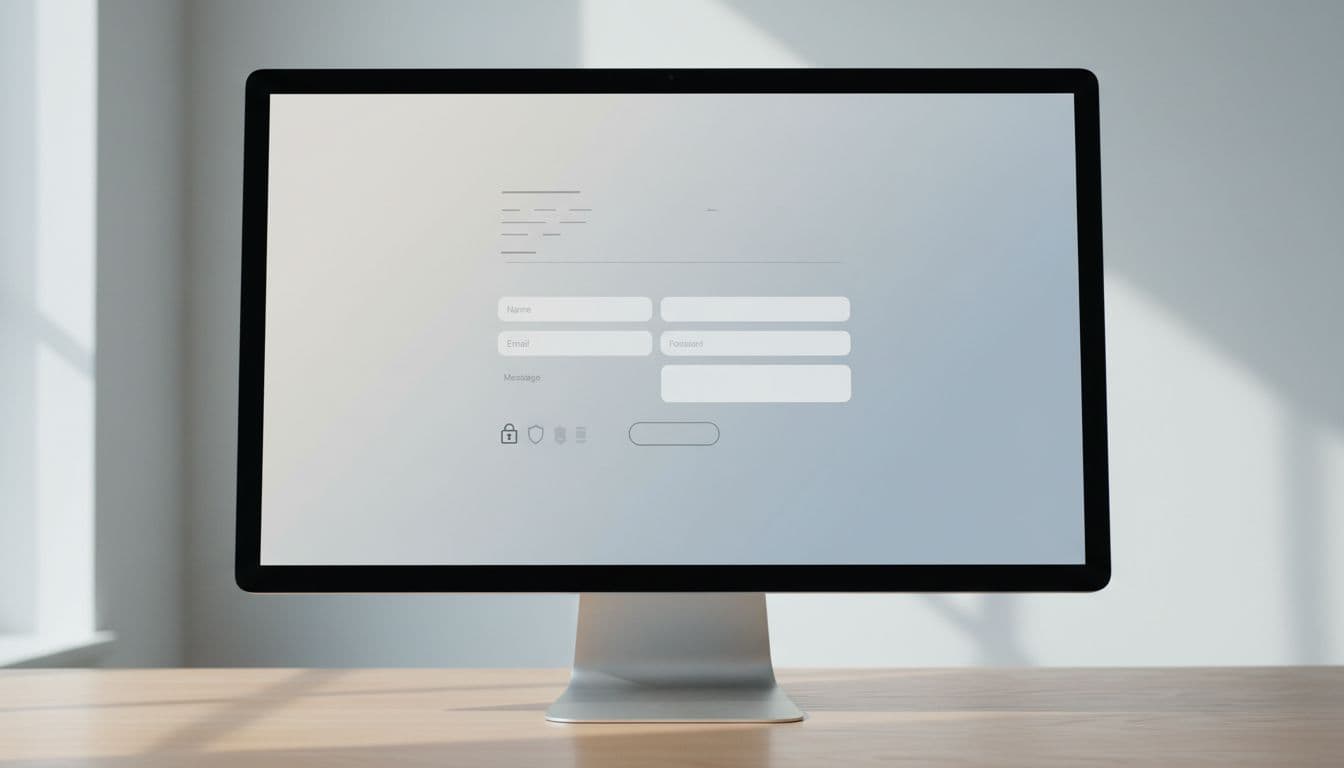
A contact page should reduce doubt, not add it.
Keep the form short. Five fields or fewer is enough for most affiliate sites. If you need more detail, ask for it later by email.
Solo blogger or growing affiliate business?
Solo bloggers should keep the page simple and personal. Your name, one email, and one reply promise are enough. Add a line that says you handle messages yourself. That small detail feels honest.
Don’t copy a bigger brand’s page if you can’t match its support setup. A mismatch between the page promise and your real response time hurts trust fast.
Growing affiliate businesses need a slightly different setup. Add a dedicated partnership email, a media kit link, and a short line about your audience or niche. Brands want to know who they are talking to, and they want a quick path to the right person. Before you invite more offers, tighten your standards with an affiliate program checklist. It keeps your outreach and your public contact page in sync.
A useful middle ground is a split form. One option can be “Reader question.” Another can be “Brand partnership.” That keeps replies organized without making the page feel heavy.
Trust elements to check before you publish
A contact page builds trust when it feels real, not polished for show. Before you publish, check these details:
- Your brand name or personal name is easy to find.
- The page works well on phones and loads fast.
- The form asks for only what you need.
- Your reply window uses plain language.
- The privacy policy link sits near the form.
- Brand inquiries have a clear path.
- Disclosure language is visible if the page points to monetized content.
- Spam protection is present, but it does not block real people.
Most visitors will open the page on a phone, so any clutter shows up fast. Keep the page simple, and make the next step obvious.
If you get the same questions again and again, add a small FAQ block below the form. A format like affiliate program FAQs for your website can help you answer common partner concerns without repeating yourself.
A contact page that earns replies
A strong affiliate contact page does not need clever copy. It needs a real name, a short form, a clear reply promise, and privacy language people can spot right away. Those details do more for trust than extra graphics ever will.
If your site earns commissions, keep disclosure visible and business details easy to find. That mix tells visitors and brands the same thing, this site is run with care. Build for clarity first, and the replies will follow.