
Yes, affiliate marketing can generally include affiliate links in an email newsletter when your email provider and affiliate program allow it. You also need clear disclosures and compliance with applicable email marketing laws.
Those are separate requirements: disclosure doesn’t override a platform restriction or a merchant’s contract. Start by separating what the law requires from what your accounts permit.
Key Takeaways
- Disclose commissions before or beside the relevant recommendation.
- Use affiliate links only through permitted promotional channels.
- Compare attribution, payment delays, and commission duration alongside the headline rate.
Separate Legal Requirements From Platform Policies
Commercial email has its own rules
In the United States, the FTC’s CAN-SPAM compliance guide covers commercial email requirements. These include accurate sender information, non-deceptive subject lines, appropriate advertising identification, a valid postal address, and a working unsubscribe mechanism.
Honor opt-out requests within 10 business days. Although CAN-SPAM doesn’t generally require advance consent, other jurisdictions and email providers can impose stricter requirements. This is general information, not legal advice.
Permission depends on both contracts
Your email-service provider may distinguish occasional affiliate recommendations from a business built primarily around affiliate promotions. Permission-based sending can help protect deliverability and inbox placement, but it doesn’t replace checking current provider, affiliate-program, and local requirements.
A legally compliant message can still breach either agreement. Follow the current platform and program rules, as well as local requirements, for each campaign.
Grow your email list through an opt-in form rather than using scraped or purchased addresses. This is good practice, not a universal legal requirement. A lead magnet should set clear expectations about future newsletter promotions.
Make Affiliate Disclosures Hard to Miss
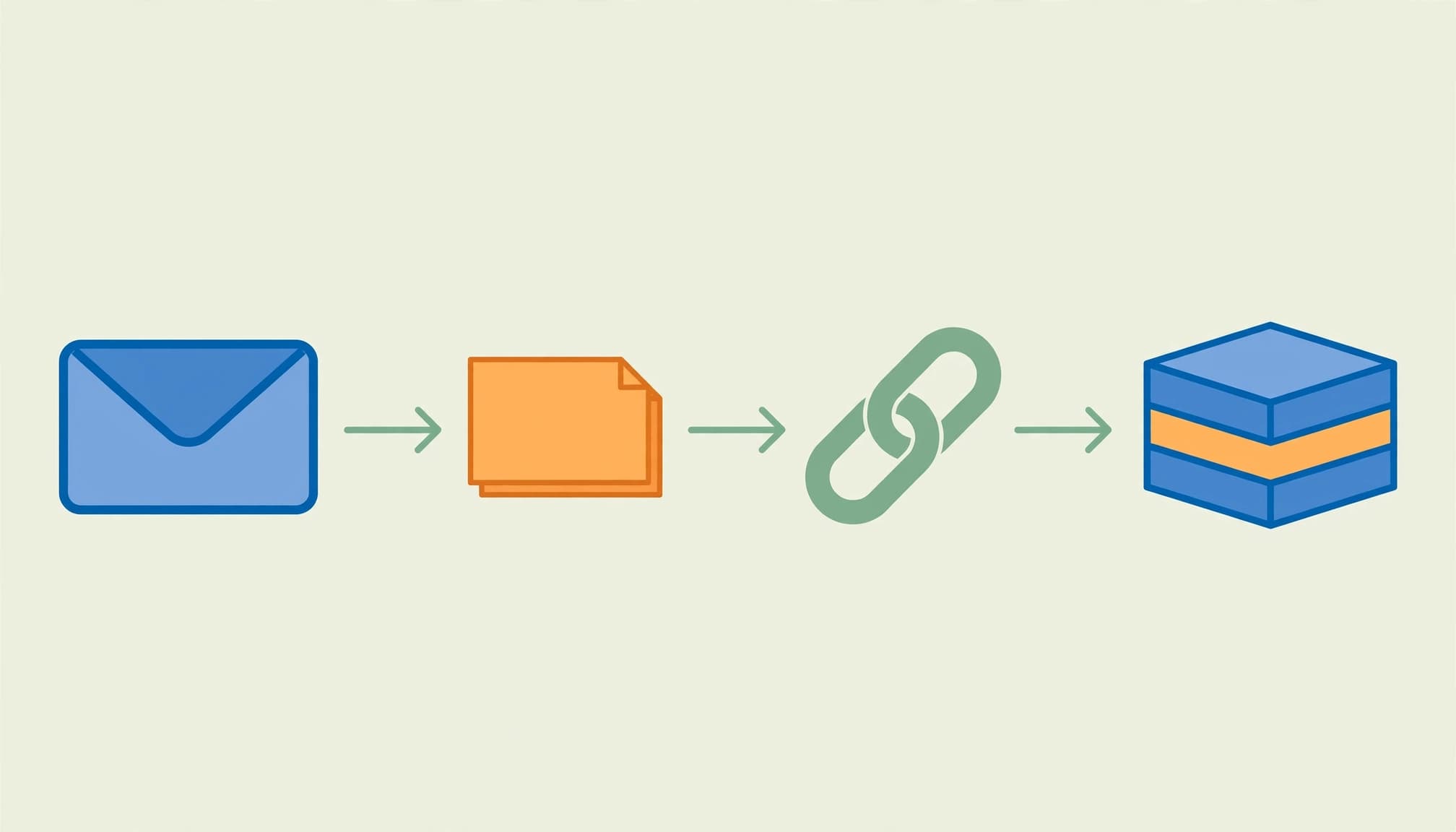
The FTC’s endorsement guidance calls for clear, conspicuous disclosure of material connections. In a newsletter, place plain wording before or beside the affiliate recommendation:
“This email contains affiliate links. If you purchase through them, we may earn a commission.”
Keep it readable on mobile, with normal-sized text and sufficient contrast. A footer-only notice or separate disclosure page can be easy to miss.
Avoid vague wording such as “partner link.” Also disclose relevant free access or other benefits. Our affiliate disclosure examples offer wording for different arrangements.
Compare Email Marketing Affiliate Programs
These programs show why you should compare affiliate commission rates, recurring commission duration, and payout conditions separately.
| Program | Published commission | Tracking and payout details |
|---|---|---|
| GetResponse | Legal terms describe 40% recurring for up to 12 months. | Its affiliate page describes a 90-day return-and-convert window. |
| MailerLite | 30% recurring while the referred customer remains active and eligible. | 45-day attribution window; 30-day hold; balance over $100 and two active paying referrals required. |
| ActiveCampaign | 30% recurring for up to 12 months. | 90-day window, first-click attribution, and a 60-day commission hold. |
| ClickFunnels | Support materials describe a 30% starting rate. | 45-day cookie, last-click attribution, a 45-day cooling-off period, and a $100 minimum. |
Check affiliate tracking details for attribution rules, then use the affiliate dashboard to verify current rates, eligibility, and payout status. Published rates don’t guarantee earnings.
GetResponse’s marketing page also advertises 50% after 50 sales and 60% after 100 or more paying referrals within 12 months. Its help page publishes a different schedule, so those advertised tiers aren’t a universal base rate.
MailerLite’s October 2026 terms describe automatic Friday settlements through Tipalti once payout conditions are met.
Recurring commission doesn’t necessarily mean a lifetime commission. MailerLite’s duration can extend beyond ActiveCampaign’s 12-month limit, but customer retention still determines earnings. Refund reversals and payout thresholds also separate recorded commissions from spendable cash.
Place Affiliate Links Where They Help Subscribers

Build trust before introducing an offer
As a starting approach, keep affiliate offers out of the first welcome email. Use email automation to deliver an email sequence that provides the promised resource and explains what subscribers will receive.
ActiveCampaign recommends four to six welcome emails. Introduce recommendations later, once readers understand their purpose. The 80/20 rule, with 80% helpful content and 20% promotional emails, is an editorial guideline, not a legal requirement or guaranteed formula.
Choose direct or indirect promotion
A direct affiliate email campaign sends readers through an affiliate URL toward a purchase. An indirect campaign links to a useful article or landing page containing recommendations.
Choose a route your affiliate marketing agreements permit. Use email segmentation to make recommendations more relevant to each group of subscribers. A landing page doesn’t excuse prohibited traffic. Our simple affiliate funnel guide shows how resources and recommendations can connect without overwhelming beginners.
Test one change at a time
Use A/B testing to compare one change at a time, such as the subject line, email length, or link placement. Otherwise, you won’t know which change affected performance.
Track open rate, click-through rate, conversions, and approved commissions. Opens aren’t reliable evidence of purchase intent, and a click doesn’t confirm a sale. Use permitted campaign identifiers to connect each send with credited results.
Frequently Asked Questions
Does a longer affiliate cookie guarantee commission?
No. Cookie duration describes the eligibility window; attribution determines who receives credit. First-click and last-click programs can reward different publishers. Excluded products, prohibited traffic, or refunds can still prevent payment.
Can I disclose only on the linked landing page?
For an email containing an affiliate recommendation and link, place the disclosure in the email too. Readers should understand your financial connection before acting. The destination page needs its own appropriate disclosure.
Earn Commissions Without Sacrificing Reader Trust
Affiliate links can belong in a useful newsletter when they support the reader’s task and your agreements permit them. Clear disclosure belongs beside the recommendation, while honest product claims and relevant offers protect trust.
Build around subscriber needs first, and remember that affiliate earnings vary, so don’t present them as guaranteed passive income. Judge performance by approved earnings and reader response, rather than the largest advertised commission.