
A practical affiliate marketing plan builds a reliable, diversified system by combining two discovery channels with an email list you control. Measure success through approved commissions, not views or pending sales.
You don’t need to publish everywhere or abandon your website. You need a repeatable path that connects useful content, subscribers, and relevant recommendations.
Start by choosing channels that fit your audience and the content you can consistently produce.
Key Takeaways
- Combine two discovery channels with permission-based email follow-up.
- Repurpose useful content instead of creating unrelated posts for every platform.
- Base paid tests on approved earnings, with a spending limit.
- Diversify platforms and merchants while following their promotional rules.
Choose an Affiliate Traffic Mix You Can Maintain
Affiliate traffic means visitors who encounter your recommendations and may click through to a merchant. They can arrive through organic traffic or paid placements.
Free traffic sources cost nothing in advertising, but require work, patience, and consistency. Paid traffic buys distribution without guaranteeing profitable visitors.
SmartyAds’ traffic overview cites research assigning SEO 69.22% of global affiliate traffic. That’s an attributed vendor claim, not a reliable forecast for your business.
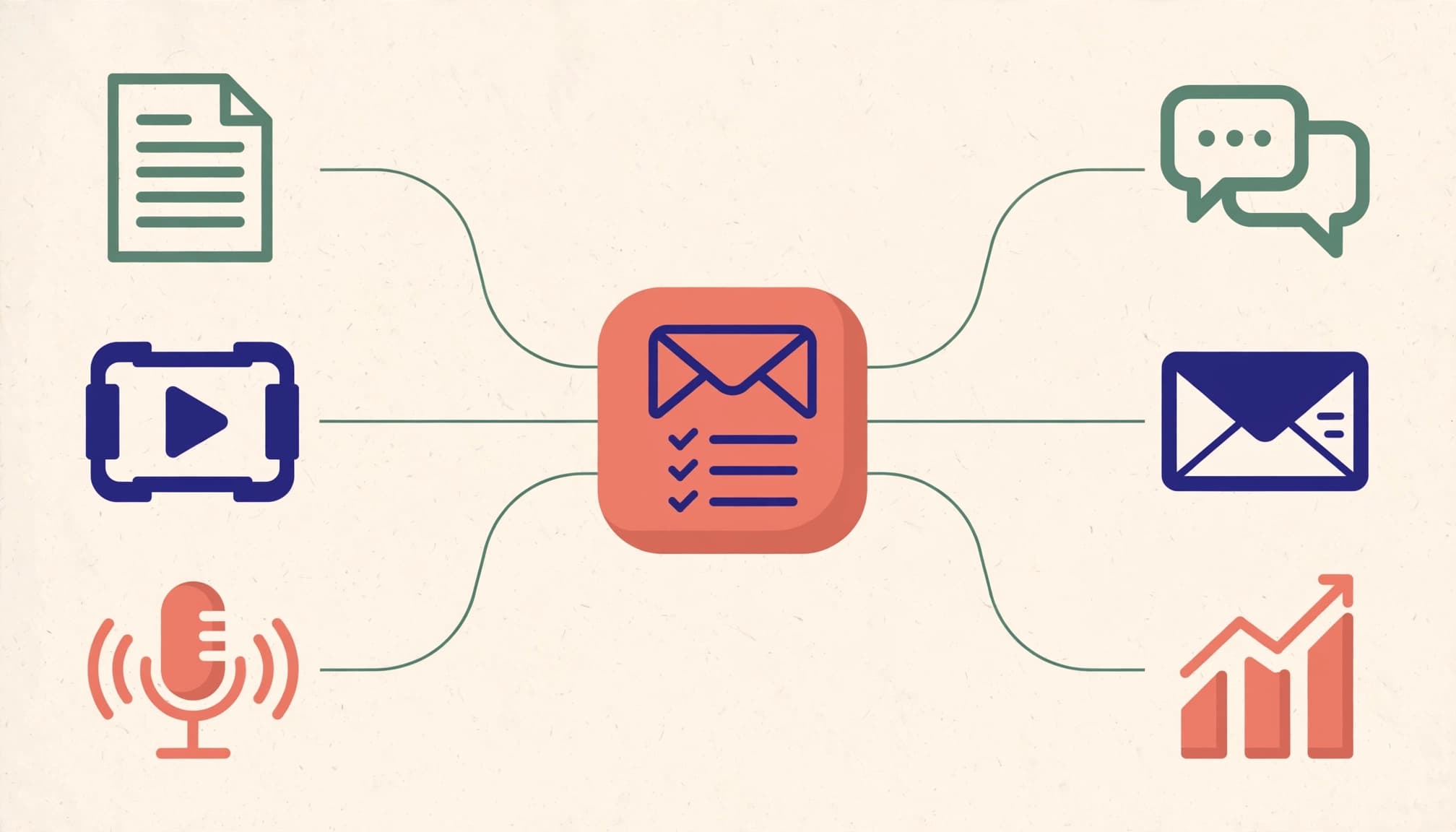
Choose one primary discovery channel, one secondary channel, and email. Affiliate marketers should rank traffic sources by audience fit, production skills, and whether each channel permits their intended promotion.
Rank Free Traffic Sources by Audience Fit
For a small publisher, this is a practical starting order. Move a channel higher when its format suits your topic.
| Rank and source | Advertising cost | Planning horizon | Main skill |
|---|---|---|---|
| 1. Pinterest | $0 organically | Allow months | Visual packaging for planning topics |
| 2. YouTube | $0 organically | Allow months | Useful demonstrations |
| 3. TikTok or Instagram Reels | $0 organically | Test over weeks | Clear, concise video |
| 4. Reddit, Quora, or X | $0 organically | Build participation over weeks | Helpful discussion |
These are planning horizons, not promised delivery times. A viral post can arrive quickly without producing buyers.
Pinterest suits visual, project-based topics. YouTube gives software tutorials and product demonstrations room to explain purchase decisions. Short-form social media videos work when their value becomes clear immediately.
Community channels reward relevant participation. Answer the question completely, and link only when the community permits it. Our X affiliate marketing plan connects useful posts with qualified clicks.
YouTube is Google-owned. It reduces dependence on Google Search, but pair it with an independently operated channel and email.
Repurpose One Useful Topic Across Channels
Start with a buyer decision
Choose a question that helps someone decide what to buy, avoid, or try. Product compatibility, setup requirements, and limitations make useful content.
Use blogging for one substantial weekly asset, such as a tutorial, comparison, or demonstration. Include original explanation and accurate product details. Don’t imply you’ve tested something unless you have.
Give the asset one next step: read the comparison, download a worksheet, or join your newsletter.
Adapt the content instead of duplicating it
Adapt a tutorial into a short demonstration, a platform-appropriate social media post, and an email answering a related objection.
Each version should work in its own format. A short video needs a clear opening and captions; a community answer needs enough detail without requiring a click.
For the first month, publish one substantial asset weekly and adapt each into two smaller pieces. This creates a manageable production rhythm.
Build an Owned Audience and a Working Funnel
Give visitors a useful reason to subscribe
Offer a comparison worksheet, setup checklist, or short email course that matches the recommendation.
Explain what subscribers will receive, collect only necessary information, and honor unsubscribe requests. Permission-based email marketing lets you follow up with subscribers and reduces dependence on feed algorithms, but deliverability and provider rules still matter.
One Quora contributor reported open rates below 10%. That’s an individual experience, not a benchmark. Prioritize clicks and approved sales because open tracking can also be unreliable.
Connect the minimum viable funnel
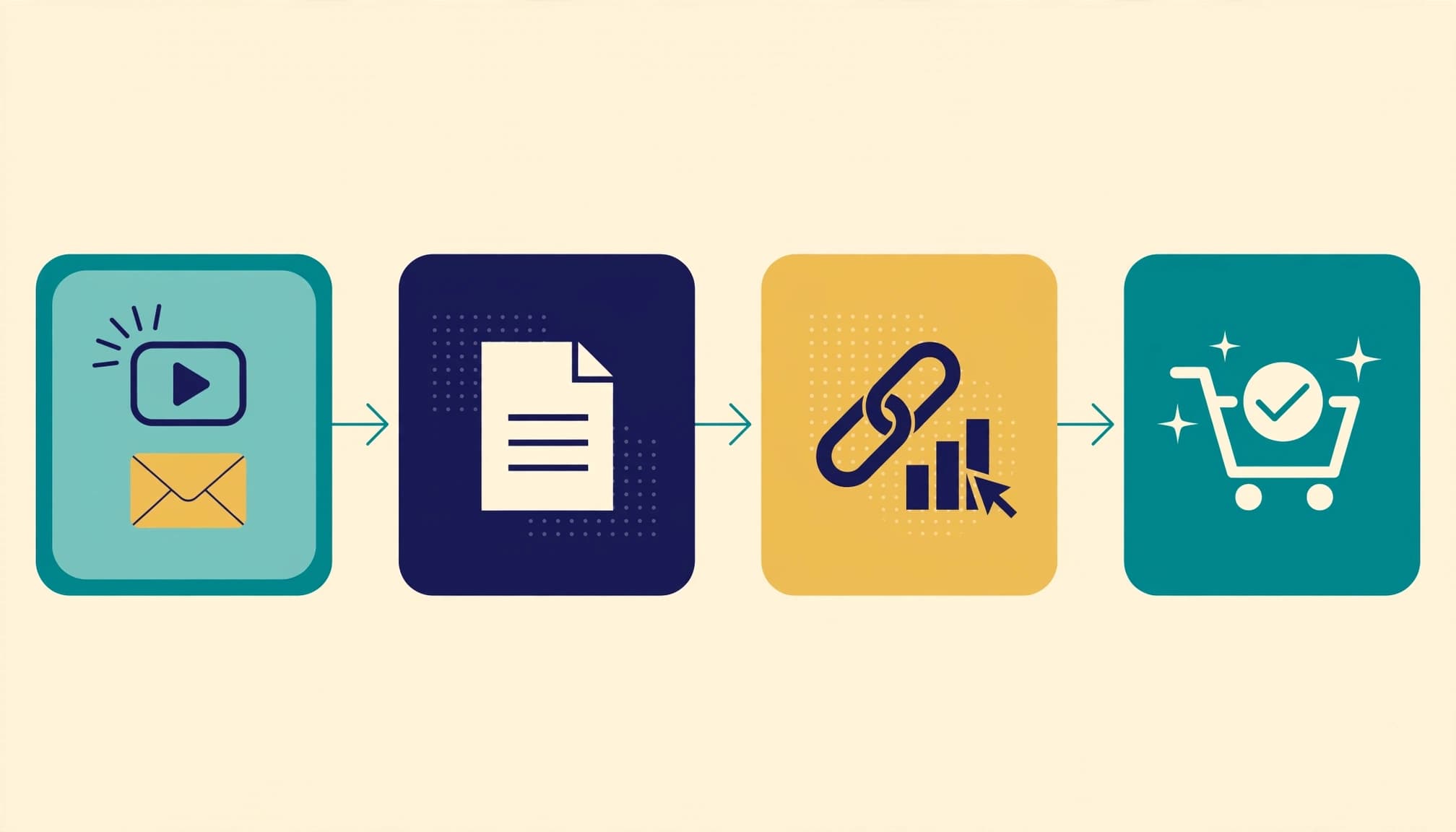
Your minimum viable funnel needs a functional landing or opt-in page, one clear call to action, and correctly formatted affiliate links.
If you collect leads, connect a working autoresponder. Add accurate analytics or permitted tracking pixels, then test the complete journey on mobile.
Our beginner-friendly affiliate funnel connects content, opt-in forms, helpful messages, and relevant recommendations.
Begin with a welcome email, a useful lesson, and a recommendation that explains who the product suits. Add messages only when they answer real questions.
Compare Paid Sources Before Buying Clicks
Start with targeted social advertising
Paid advertising can bring paid traffic through Meta ads, while newsletter sponsorships buy access to an existing readership. Both depend on targeting that matches the offer to a niche audience.
PPC means pay per click. Google Ads is Google’s PPC platform, so using it doesn’t reduce your dependence on Google; Meta ads and newsletter sponsorships reach audiences outside its search platform.
Beginners should test one offer, landing page, and source at a time. Changing everything together makes the result difficult to diagnose.
Use only permitted placements. Facebook restricts some niches, gambling advertising requires authorization, and mainstream networks restrict adult content.
Treat bulk traffic as a higher-risk experiment
Native advertising places ads within publisher content, often through an ad network. Banner ads buy display space, but banner blindness can reduce attention and clicks. Neither format has a universally dependable acquisition cost.
Solo ads purchase exposure through someone else’s email list. A Quora account cited prices as low as $0.40 per click, but that anecdote isn’t a current market quote.
Recipients are cold prospects who haven’t subscribed to you. Any leads you acquire need consent-based follow-up. Avoid sellers who promise guaranteed buyers or won’t identify traffic sources.
Calculate Break-Even Before Setting a Test Budget
Start with commission economics and use the break-even calculation to cap PPC or paid advertising spend on paid traffic.
This worked example uses explicit assumptions, not expected campaign results.
| Input | Assumption or result |
|---|---|
| Order value | $120 |
| Commission rate | 30% |
| Expected reversals | 8% |
| Commission after reversals | $33.12 |
| Purchase rate per paid visit | 3% |
| Break-even cost per visit | About $0.99 |
| Cap reserving 30% of earnings before other costs | About $0.70 |
The commission calculation is $120 × 30% × 92% = $33.12. Multiplying that by the assumed 3% purchase rate gives approximately $0.99 per paid visit.
However, tools and other variable costs reduce the safe spending cap.
Affiliate EPC uses outbound affiliate clicks. Advertising CPC often uses visits to your page. Compare them only after accounting for the share of visitors who reach the merchant.
Set a maximum loss before launch. For example, a $150 test at $0.60 per visit purchases 250 visits. That’s a bounded learning exercise, not proof of profitability.
Scale only when approved-sale data remains profitable after reversals, advertising, and other costs. Pending commissions aren’t cash.
Track Conversions and Spot Poor-Quality Traffic
Use UTMs to identify incoming campaigns and supported affiliate SubIDs to distinguish outbound placements. Never put personal reader information in tracking identifiers.
Record landing-page visits, opt-ins, outbound clicks, sales, and pending, approved, reversed, and paid commissions separately.
Then reconcile your analytics, advertising dashboard, and affiliate reports. Attribution windows, last-click rules, cross-device behavior, and approval delays can explain disagreements.
To assess traffic quality, compare geography, referrers, device patterns, and click timing. Large click spikes without matching page visits, repeated identifiers, or implausibly fast conversions deserve investigation. They aren’t automatic proof of fraud.
Pause questionable placements while investigating. Also compare approved earnings by source, since cheap clicks can conceal poor-quality leads.
Some practitioners use around 1,000 targeted visitors or 100 conversions as planning heuristics. Neither count guarantees statistical significance. The evidence needed depends on conversion frequency, conversion rate variability, and the decision being tested.
Reduce Platform Risk Without Breaking Rules
Diversification needs more than several accounts on one platform. Keep your website and content backups, export permission-based subscriber records, and develop a second merchant relationship through another affiliate network.
Also track income concentration monthly. If one channel or merchant supplies most approved earnings, prioritize a viable alternative.
Sustainable promotion follows each affiliate program’s merchant rules and uses useful content, permitted placements, honest recommendations, and consent-based email. Purchased lists, fake reviews, forced redirects, cookie stuffing, and prohibited trademark bidding create legal or program risks.
Follow the FTC’s affiliate disclosure guidance. Place plain-language disclosure near recommendations, such as: “I may earn a commission from purchases made through links in this post.”
For video promotions, FTC social media guidance addresses disclosure within the content. A profile-only notice can leave viewers uninformed.
Frequently Asked Questions
What do affiliate programs typically pay?
Broad examples include 5% to 10% for physical products, 20% to 50% for digital products, and $50 to $500 or more for high-ticket sales.
Pay-per-click programs may pay $0.05 to $2 per qualifying click. That’s publisher compensation, not advertising CPC. Click-based payouts face greater click-fraud exposure than sale- or lead-based models.
Is paid traffic worthwhile for beginners?
It can be, once a useful destination, permitted promotion, tracking, and workable commission economics are in place. Otherwise, organic distribution provides a lower-cash-risk way to learn what attracts qualified visitors.
Is affiliate marketing still profitable?
It can be when approved commissions exceed acquisition, content, and operating costs. High-ticket offers need strong buyer fit and credible explanations; a large advertised payout alone doesn’t establish profitability.
Build Around Relationships You Can Keep
A durable affiliate marketing plan combines discovery with direct audience relationships. Useful content attracts people, while permission-based email gives you another opportunity to help them decide.
Start with two suitable channels and one measurable funnel. Expand only when approved earnings support the effort or spending.
Google can remain one source without controlling your entire business.